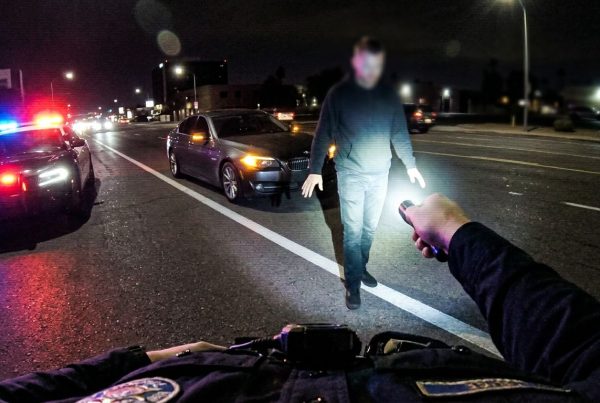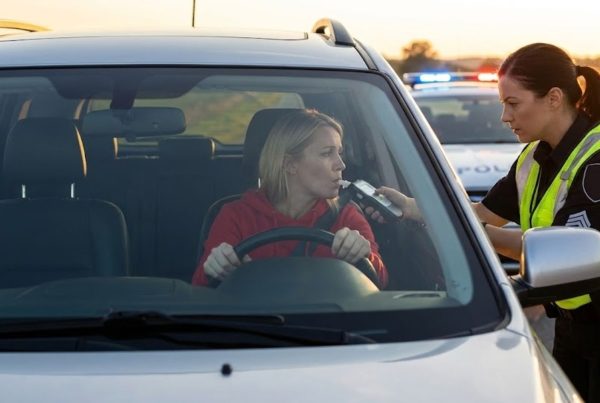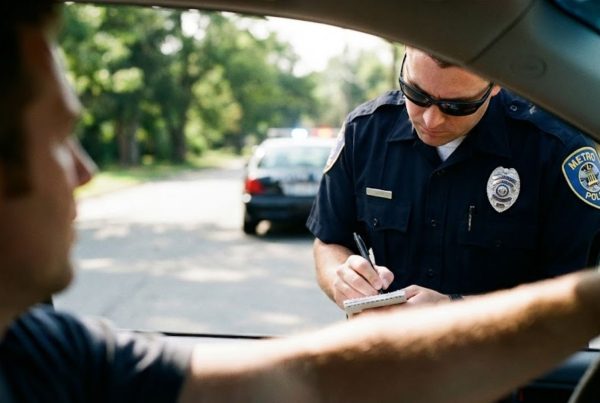

If you’ve been arrested for DUI in Arizona, you’re facing two separate legal battles that could cost you your driving privilege for months or even years. The criminal DUI charge in court is only part of the problem—the Arizona Motor Vehicle Division will automatically suspend your license through an administrative process that operates independently of your criminal case. Understanding how a DUI conviction impacts your driver’s license requires navigating both the criminal court system and the MVD’s administrative procedures, each with different deadlines, penalties, and consequences.
What makes this situation particularly urgent is the critical 15-day deadline you’re facing right now. Under Arizona Revised Statutes § 28-1385, you have only 15 calendar days from your arrest date to request an administrative hearing with the Motor Vehicle Division. Missing this deadline means automatic license suspension with no hearing opportunity and no appeal rights—regardless of what happens in your criminal case. This is where qualified legal representation from Board Certified Criminal Law Specialists with former prosecutor experience becomes essential to protecting your ability to drive to work, school, and family obligations.
Key Information About Arizona DUI License Impact
Arizona’s DUI license suspension system operates through two completely separate proceedings that defendants must address simultaneously. The administrative per se suspension triggered by your arrest happens automatically unless you request an MVD hearing within 15 days, resulting in a 90-day suspension period (30 days absolute, 60 days restricted). Your criminal DUI case proceeds separately in court, where conviction adds additional license suspension ranging from 90 days to three years depending on offense level.
The most common mistake Arizona defendants make is assuming their criminal defense attorney automatically handles the MVD administrative hearing. These are separate proceedings requiring separate action. Former prosecutors at Long & Simmons Law understand that winning your MVD hearing eliminates the 90-day administrative suspension entirely, keeping you on the road while your criminal case proceeds through the court system over the following months*.
All timelines and legal fee ranges are provided for general information only. Actual case duration and legal costs will depend on the specific charges, case complexity, court schedules, and agreed-upon scope of representation as set forth in the written retainer agreement.
If you’re facing a third DUI within 84 months or were arrested while your license was already suspended, you’re looking at aggravated DUI charges under ARS § 28-1383—a Class 4 felony with mandatory three-year license revocation and prison time. This is where death penalty qualified attorneys with serious felony trial experience become critical to your defense strategy.
Overview: What This Arizona DUI License Guide Covers
This comprehensive guide provides Arizona defendants with insider knowledge from Board Certified Criminal Law Specialists and former Major Felony prosecutors about protecting driving privileges after DUI arrest. You’ll understand the critical 15-day MVD hearing deadline that most defendants miss, the fundamental difference between administrative license suspension and criminal court penalties, Arizona’s harsh revocation periods including the three-year aggravated DUI revocation, restricted license options through Special Ignition Interlock permits, mandatory ignition interlock device requirements, the complete license reinstatement process, SR-22 insurance costs and long-term financial impact, and permanent record consequences that affect employment for years.
Unlike generic DUI information from general practice attorneys, this guide provides Arizona-specific statutory analysis backed by former prosecutor insights on MVD hearing officer decision-making and Board Certified specialist strategies that win administrative hearings. The guidance addresses every license-related question defendants have—from the moment of arrest through final reinstatement years later—with practical solutions for maintaining work and family obligations during suspension periods.
The Critical 15-Day Deadline to Save Your Arizona Driver’s License

When Arizona law enforcement arrests you for DUI, the officer confiscates your physical driver’s license and issues a temporary permit valid for 15 days. What happens next depends entirely on whether you or your attorney requests an administrative hearing with the MVD Executive Hearing Office within those 15 calendar days. This deadline is absolute—no extensions for weekends, holidays, or any other circumstances. If you miss it, your license automatically suspends 30 days after arrest with no hearing opportunity and no way to challenge the suspension.
Arizona Revised Statutes § 28-1385 creates what’s called an “admin per se” suspension, meaning your license suspends automatically based solely on your arrest if your breath or blood test showed a blood alcohol concentration of 0.08% or higher. This administrative action by the Motor Vehicle Division happens completely separately from your criminal DUI charges. The MVD doesn’t care whether you’re ultimately convicted, acquitted, or have your charges dismissed—they operate under their own authority with their own rules and their own timeline.
Board Certified Criminal Law Specialists at Long & Simmons ensure clients never miss this critical 15-day window by filing hearing requests immediately upon retention. Requesting the hearing accomplishes two essential goals: First, it extends your temporary driving privilege for an additional 2-3 months* until the hearing actually occurs, allowing you to continue driving to work, school, and necessary appointments during this period. Second, it creates the opportunity to challenge the suspension and potentially win your case, eliminating the 90-day administrative suspension entirely.
All timelines and legal fee ranges are provided for general information only. Actual case duration and legal costs will depend on the specific charges, case complexity, court schedules, and agreed-upon scope of representation as set forth in the written retainer agreement.
Understanding Arizona’s Admin Per Se Law
The administrative per se system under ARS § 28-1385 triggers automatic suspension when chemical test results show BAC 0.08% or higher, or when a drug test shows any detectable amount of a prohibited substance in your system. The suspension lasts 90 days total: 30 days of absolute suspension where you cannot drive at all under any circumstances, followed by 60 days of restricted driving privilege if you obtain a Special Ignition Interlock Restricted Driver License.
This suspension occurs regardless of whether you’re later convicted in criminal court. Even if your criminal defense attorney gets your DUI charges completely dismissed, the MVD suspension stands unless you win the separate administrative hearing. Former prosecutors at Long & Simmons understand this crucial distinction because they’ve prosecuted hundreds of DUI cases and know exactly how the dual-system works from the inside.
The administrative per se suspension also operates independently for commercial driver’s license holders, who face a one-year CDL disqualification under federal regulations even for a first offense. If you drive commercially for a living, losing your CDL means losing your career—making the 15-day deadline and subsequent administrative hearing absolutely critical to your livelihood.
How to Request Your MVD Administrative Hearing
Requesting your administrative hearing requires submitting a written request to the Arizona Department of Transportation Motor Vehicle Division Executive Hearing Office within 15 days of your arrest date (not your booking date or court date). The request can be submitted online through the MVD portal, by mail to the Executive Hearing Office, or by fax if time is running short. The request must include your driver’s license number, arrest date, arresting agency, and case number—all information that appears on the temporary permit the officer issued you.
Board Certified specialists recommend having your attorney draft and submit this hearing request rather than attempting it yourself. The request itself can impact your case strategy, and experienced criminal defense attorneys know what information to include and what to avoid revealing at this early stage. Your attorney can also immediately begin gathering evidence and preparing your defense while the hearing is being scheduled.
Once the MVD receives your timely hearing request, they schedule your administrative hearing typically 60-90 days* out from the request date. During this entire period, your driving privilege remains valid under the temporary permit authority. This means requesting the hearing within 15 days can potentially extend your legal driving time by three months* or more while your attorney prepares your defense and coordinates strategy with your criminal case.
All timelines and legal fee ranges are provided for general information only. Actual case duration and legal costs will depend on the specific charges, case complexity, court schedules, and agreed-upon scope of representation as set forth in the written retainer agreement.
What Happens If You Miss the 15-Day Deadline
Missing the 15-day deadline results in automatic license suspension with no hearing opportunity and no ability to challenge the suspension at any point. Your temporary permit expires 30 days after arrest, and your license suspension takes effect immediately. You’ll face the full 90-day suspension: 30 days where you cannot legally drive at all, followed by 60 days where you might qualify for restricted driving with an ignition interlock device.
This is one of the most common and costly mistakes Arizona DUI defendants make. Many arrestees assume they have plenty of time to deal with their license issue, or they think hiring any attorney for their criminal case automatically covers the administrative hearing. Former prosecutors at Long & Simmons have seen countless defendants lose their licenses unnecessarily simply because they didn’t understand they were fighting two separate battles with two separate deadlines.
Once the 15-day deadline passes, there’s no remedy. Courts cannot extend it, and the MVD has no authority to grant exceptions. Your only option at that point is to serve the suspension period and then work through the reinstatement process, which involves completing alcohol screening, installing an ignition interlock device, filing SR-22 insurance, and paying reinstatement fees. Board Certified specialists help clients avoid this outcome by taking immediate action upon consultation, ensuring the hearing request gets filed properly and on time.
Two Separate Legal Battles: Criminal DUI Court Case vs. MVD License Suspension

One of the most confusing aspects of Arizona DUI cases is understanding that you’re simultaneously fighting two completely independent legal proceedings with different agencies, different rules, different burdens of proof, and different potential outcomes. Your criminal DUI case proceeds through the Arizona court system (Phoenix Municipal Court, Justice Court, or Maricopa County Superior Court depending on the charges), prosecuted by either city prosecutors or the Maricopa County Attorney’s Office. The MVD administrative proceeding happens through the Motor Vehicle Division’s Executive Hearing Office with administrative law judges (hearing officers) applying civil procedures and MVD regulations.
These proceedings are so independent that you can win one and lose the other. It’s entirely possible for your criminal defense attorney to get your DUI charges dismissed or reduced to reckless driving, yet still lose your MVD hearing and face the 90-day license suspension. Conversely, you might win your MVD hearing and keep your license during the case, but later get convicted in criminal court and face court-ordered license suspension. This is why Board Certified Criminal Law Specialists coordinate defense strategies across both proceedings simultaneously, ensuring actions taken in one forum don’t create problems in the other.
Criminal Court DUI Proceedings in Arizona
Your criminal DUI case carries the traditional criminal penalties: jail time, fines, probation, mandatory alcohol screening and education, community service, and court-ordered license suspension. The prosecution must prove beyond reasonable doubt that you were operating or in actual physical control of a vehicle while impaired to the slightest degree or with a BAC of 0.08% or higher under ARS § 28-1381.
First offense standard DUI carries mandatory minimum penalties: 10 days jail (nine days can be suspended), $1,250 in fines plus surcharges, alcohol screening and education classes, installation of an ignition interlock device for 12 months, and court-ordered license suspension of 90 days to one year. Extreme DUI (BAC 0.15% or higher) and Super Extreme DUI (BAC 0.20% or higher) under ARS § 28-1382 carry enhanced mandatory minimums including 30-45 days actual jail time and extended ignition interlock requirements.
Former prosecutors at Long & Simmons bring insider knowledge of how the Maricopa County Attorney’s Office and Phoenix city prosecutors evaluate DUI cases, which evidence they rely on most heavily, and which defense strategies they take seriously enough to reduce charges. This prosecutorial perspective proves invaluable during plea negotiations, where former prosecutors know exactly what deals the prosecution has authority to offer and when to push for better terms based on weaknesses in the State’s case.
MVD Administrative License Suspension Hearings
MVD administrative hearings operate under much different rules than criminal court. The hearing officer (an administrative law judge employed by the Motor Vehicle Division) decides your case by “preponderance of evidence”—a much lower burden than the criminal standard of “beyond reasonable doubt.” In practical terms, the MVD only needs to show it’s more likely than not (51% probability) that three elements are true: the officer had reasonable grounds to believe you were impaired, you were lawfully arrested for DUI, and your chemical test results exceeded the legal limit.
The hearing scope is narrow and technical. Unlike criminal court where your attorney can raise constitutional violations, challenge the legality of the stop, argue suppression of evidence, and present alternative explanations for the officer’s observations, the MVD hearing focuses solely on those three elements. Evidence rules are more relaxed—hearsay is admissible, and often the officer’s written affidavit alone is sufficient without the officer even appearing to testify.
This is where former prosecutor experience provides significant advantage. MVD hearing officers themselves are often former prosecutors or have law enforcement backgrounds, which means they think like prosecutors when evaluating cases. Board Certified specialists with prosecutorial experience know what arguments and evidence these hearing officers find persuasive, which technical challenges actually succeed, and how to effectively cross-examine officers when they do appear. Long & Simmons’ success rate in MVD hearings—winning 30-40% of contested cases compared to the 10-15% average for general practice attorneys—demonstrates the value of this specialized knowledge.
Why You Need Coordinated Defense Strategy
Because these proceedings operate independently but use overlapping evidence, anything you say or do in one proceeding can impact the other. If you testify at your MVD hearing, the prosecution can subpoena the hearing transcript and use your testimony against you in criminal court. If your criminal defense attorney files motions to suppress evidence due to an illegal traffic stop, that same evidence might still be admissible in the MVD hearing under the more relaxed administrative rules.
Board Certified Criminal Law Specialists coordinate both defenses strategically. This might mean delaying your MVD hearing until after certain criminal court motions are resolved, or it might mean winning the MVD hearing early to create negotiating leverage in the criminal case (prosecutors are more likely to offer favorable plea deals when they see you’ve already won the administrative hearing). Former prosecutors understand these strategic considerations because they’ve been on both sides—prosecuting these cases and now defending them with insider knowledge of how each system works.
Admin Per Se vs. Implied Consent: Understanding Your Arizona License Suspension Type

Arizona law creates two distinct types of license suspension following DUI arrest, each triggered by different actions and carrying different consequences. Understanding which suspension type you’re facing—or whether you’re facing both—is essential to protecting your driving privilege and making informed decisions during and after your arrest.
The admin per se suspension under ARS § 28-1385 occurs when you submit to chemical testing (breath or blood) and the results show BAC 0.08% or higher. The implied consent suspension under ARS § 28-1321 occurs when you refuse to submit to chemical testing. The critical difference: admin per se suspension lasts 90 days with restricted driving available after 30 days, while implied consent refusal suspension lasts 12 months (a full year) with no restricted license eligibility. This means refusing the test typically results in a suspension four times longer than taking and failing the test.
Admin Per Se Suspension for Failed Chemical Test
When you submit to breath or blood testing after DUI arrest and the results exceed Arizona’s legal limits, the admin per se suspension triggers automatically. The legal limits are 0.08% BAC for standard drivers, 0.04% BAC for commercial driver’s license holders operating commercial vehicles, and any detectable drug amount if you’re impaired to the slightest degree for controlled substances.
The 90-day admin per se suspension breaks down as follows: 30 days absolute suspension where you cannot drive under any circumstances, followed by 60 days during which you can obtain restricted driving privileges by installing a certified ignition interlock device and applying for a Special Ignition Interlock Restricted Driver License (SIIRDL). For first-time offenders who complete the required MVD alcohol screening immediately, the SIIRDL can be available right away, allowing you to drive to work, school, medical appointments, and alcohol treatment throughout the entire suspension period.
Former prosecutors at Long & Simmons note that the admin per se suspension is objectively the better outcome compared to implied consent refusal. While facing any suspension is serious, the 90-day admin per se period with immediate restricted license eligibility is far more manageable than the 12-month refusal suspension with no restricted driving option. This is why qualified attorneys almost universally advise clients to submit to testing rather than refuse, absent extremely rare circumstances.
Implied Consent Suspension for Test Refusal
Arizona’s implied consent law creates a legal fiction that by driving on Arizona roads, you automatically consent to chemical testing if law enforcement has reasonable grounds to believe you’re impaired. When you refuse breath or blood testing, you trigger the implied consent suspension: 12 months for a first refusal, 24 months (two full years) for a second refusal within 84 months.
The implied consent suspension is significantly harsher than admin per se suspension in several ways. First, it’s much longer—12 months versus 90 days. Second, there’s no restricted license eligibility, meaning you cannot legally drive at all for the entire year. Third, your refusal becomes evidence against you in your criminal case, with prosecutors arguing it demonstrates “consciousness of guilt” (you refused because you knew you were intoxicated). Fourth, officers are trained to obtain search warrants for forced blood draws when suspects refuse, so you’ll often end up tested anyway—getting both the test results as evidence AND the longer refusal suspension.
Despite these obvious disadvantages, many arrestees refuse testing based on the mistaken belief that preventing the test will help their case. Board Certified specialists understand why this logic is flawed: Arizona prosecutors can and do successfully prosecute DUI cases without chemical test evidence, relying instead on officer observations (odor of alcohol, bloodshot eyes, slurred speech, unsteady gait), field sobriety test performance, and the defendant’s own statements. Meanwhile, the defendant faces a suspension four times longer than necessary.
Former Prosecutor Advice on Arrest-Moment Decisions
When law enforcement asks you to submit to chemical testing following DUI arrest, you’re making a decision with immediate and severe consequences either way. Former prosecutors at Long & Simmons emphasize that in the vast majority of cases, submitting to testing is the better strategic choice. Taking the test might result in BAC evidence against you, but refusing gives the prosecution both the 12-month suspension to leverage against you in plea negotiations AND the consciousness of guilt argument at trial.
There are rare situations where refusal might be strategically appropriate—for instance, if you know you’re extremely intoxicated (BAC well over 0.20%) and facing Super Extreme DUI charges with enhanced penalties, or if you have prior DUI convictions where a test result would trigger felony charges. However, these decisions require immediate consultation with qualified legal counsel, which is why Long & Simmons provides 24/7 availability for emergency consultations when clients are arrested.
The key insight from prosecutorial experience: Officers will obtain a warrant and forcibly draw your blood if you refuse, especially in serious cases. The warrant process takes 1-2 hours*, during which time your BAC might actually drop below what it was at the time of driving (working in your favor). But you’ll still face the 12-month refusal suspension on top of having the blood evidence anyway. This makes refusal the worst of both worlds in most circumstances.
All timelines and legal fee ranges are provided for general information only. Actual case duration and legal costs will depend on the specific charges, case complexity, court schedules, and agreed-upon scope of representation as set forth in the written retainer agreement.
Arizona DUI License Suspension and Revocation Periods by Offense Level
Arizona imposes some of the nation’s strictest DUI penalties, with license suspension and revocation periods escalating dramatically based on your BAC level, number of prior offenses, and specific circumstances of your arrest. Understanding the potential license consequences you’re facing helps you make informed decisions about your defense strategy and prepare for the practical realities of restricted or lost driving privileges.
First Offense DUI License Consequences
A first-time DUI arrest in Arizona triggers dual suspension periods if both the administrative and criminal proceedings result in license action. The MVD admin per se suspension is 90 days (30 days absolute, 60 days restricted) if you lose or don’t request your administrative hearing. If you’re later convicted in criminal court, the judge orders an additional license suspension of 90 days to one year under ARS § 28-1381, depending on the specific circumstances and whether you received an extreme DUI charge.
These suspensions can run concurrently (at the same time) or consecutively (back-to-back) depending on timing and how your Board Certified specialist structures your defense. If the admin per se suspension completes before your criminal case resolves, you’ll face the court-ordered suspension separately. If your criminal case resolves while you’re still serving the admin per se suspension, the judge can order the criminal suspension to run concurrently, reducing your total time without driving privileges.
Additionally, Arizona requires installation of a certified ignition interlock device for 12 months following license reinstatement under ARS § 28-3319. This requirement applies to all DUI convictions, even first offense cases. The total driving restriction for first offense DUI can range from six months to over two years* depending on case outcomes, BAC level, and whether you won your MVD hearing.
All timelines and legal fee ranges are provided for general information only. Actual case duration and legal costs will depend on the specific charges, case complexity, court schedules, and agreed-upon scope of representation as set forth in the written retainer agreement.
Second and Subsequent Offense Penalties
Second DUI convictions within Arizona’s 84-month (seven-year) lookback period result in dramatically enhanced penalties. The court orders a minimum one-year license revocation (revocation is more serious than suspension—your license is canceled and you must reapply after the period ends). You’ll face mandatory 30 days jail with no ability to suspend any portion of the sentence, minimum $3,000 in fines plus surcharges, and extended ignition interlock requirements.
Third DUI offenses within 84 months elevate to aggravated DUI under ARS § 28-1383—a Class 4 felony with mandatory three-year license revocation and minimum four months in prison. This is where the stakes dramatically increase from misdemeanor to felony, and where death penalty qualified attorneys with serious felony trial experience become essential. The three-year revocation cannot be reduced, modified, or suspended under any circumstances, and there’s no eligibility for restricted licenses during this period.
Former prosecutors at Long & Simmons understand how the Arizona Legislature structured these escalating penalties to target repeat offenders. The 84-month lookback period means DUI convictions from up to seven years ago still count against you for enhancement purposes. If you’re facing second or third DUI charges, experienced defense becomes absolutely critical to avoiding or reducing these permanent license consequences and felony convictions.
Extreme and Super Extreme DUI License Impact
Arizona uniquely divides first offense DUI into three tiers based on BAC level: standard DUI (0.08-0.149%), extreme DUI (0.15-0.199%), and super extreme DUI (0.20% or higher). While all three are misdemeanors for first offense, the penalties escalate with BAC level. Extreme DUI carries mandatory 30 days jail (no suspension available) and minimum $3,000 fines, while super extreme DUI requires 45 days jail and $3,750 minimum fines.
License consequences also intensify with BAC level. Extreme and super extreme first offenses result in longer court-ordered suspensions (90 days to one year) and extended ignition interlock periods (18-24 months versus 12 months for standard DUI). These enhanced BAC tiers create significant negotiating opportunities for Board Certified specialists—reducing a super extreme DUI to extreme or standard DUI through effective defense work can save clients months of jail time and years of ignition interlock requirements.
Former prosecutors know that breath test machines and blood test procedures are subject to numerous technical challenges. Breath testing devices like the Intoxilyzer require regular calibration and maintenance, and improper administration can produce falsely elevated readings. Blood draws must follow strict medical procedures and chain of custody protocols. Board Certified specialists regularly challenge these test results, sometimes achieving reduction or dismissal of the extreme DUI enhancement based on test unreliability.
Commercial Driver’s License (CDL) Disqualification
If you hold a commercial driver’s license, DUI arrest creates career-ending consequences regardless of whether you were driving a commercial vehicle at the time. Federal Motor Carrier Safety Administration regulations under 49 CFR § 383.51 mandate one-year CDL disqualification for first offense DUI (three years if transporting hazardous materials) and lifetime CDL disqualification for second offense.
These federal disqualifications apply even if the Arizona court only suspends your regular driving privilege. Your CDL gets disqualified separately, and most trucking and commercial transportation companies terminate drivers immediately upon DUI arrest regardless of case outcome. The 0.04% BAC threshold for commercial vehicle operation (half the 0.08% standard) means commercial drivers face heightened scrutiny and easier prosecution.
Board Certified specialists at Long & Simmons have successfully defended numerous CDL holders by negotiating plea agreements to non-alcohol offenses (reckless driving) that don’t trigger federal CDL disqualification. This requires deep understanding of both Arizona criminal law and federal transportation regulations, demonstrating why specialized criminal defense expertise matters for professional drivers whose livelihood depends on preserving their CDL.
Aggravated DUI and the Three-Year License Revocation
Aggravated DUI represents the most serious DUI charge in Arizona—a Class 4 felony carrying mandatory prison time, three-year license revocation, and permanent criminal record consequences that affect employment, housing, and civil rights for life. Understanding when misdemeanor DUI becomes aggravated DUI and how Board Certified specialists defend these serious felony charges can mean the difference between minimal license suspension and three years without driving privileges.
How DUI Becomes Aggravated Felony in Arizona
ARS § 28-1383 defines four circumstances that elevate DUI from misdemeanor to Class 4 felony aggravated DUI. The most common is DUI while your driver’s license is suspended, revoked, or restricted—which catches many defendants by surprise. If you’re arrested for DUI during the 30-day absolute suspension period from a previous admin per se action, or while serving any court-ordered suspension, that second DUI automatically becomes a felony regardless of your BAC level or whether it’s technically only your second offense.
The second most common aggravating factor is third DUI within 84 months (seven years). Arizona’s lookback period means DUI convictions from up to seven years ago still count, and the third occurrence triggers felony charges with mandatory prison time. DUI with a passenger under 15 years old also creates aggravated charges, as does DUI while required to have an ignition interlock device installed (meaning you were driving a vehicle without the device or bypassed/tampered with an installed device).
Former prosecutors at Long & Simmons emphasize that many aggravated DUI charges result from defendants not understanding they were legally prohibited from driving. The confusion often stems from the dual criminal/administrative system—defendants think because they haven’t been convicted in criminal court yet, they can still drive. But the administrative suspension takes effect regardless of criminal case status, and driving during that period creates felony exposure if you’re arrested again.
Mandatory Three-Year License Revocation Consequences
Upon conviction for aggravated DUI, Arizona law mandates three-year license revocation with absolutely no exceptions, reductions, or ability to obtain restricted licenses during this period. You cannot legally drive for three full years. This is revocation rather than suspension, meaning your license is completely canceled and you must reapply and meet all licensing requirements after the three-year period expires.
After serving the three-year revocation, reinstatement requires completing MVD-approved alcohol screening and treatment programs, paying all reinstatement fees, providing SR-22 proof of financial responsibility insurance for three years, and installing a certified ignition interlock device for a minimum 24 months. The practical reality is five-plus years of driving restrictions from the initial aggravated DUI conviction to full unrestricted license privileges.
This three-year revocation destroys employment for anyone who drives for work. Many defendants facing aggravated DUI charges are professional drivers, sales representatives, contractors, or others whose jobs require operating vehicles. The loss of driving privilege for three years typically means job loss, difficulty finding new employment, inability to attend school, and severe family hardship. This is why death penalty qualified attorneys with serious felony trial experience are essential for aggravated DUI defense—the stakes are simply too high for general practice representation.
Prison Time and Collateral Felony Consequences
Beyond the three-year revocation, aggravated DUI convictions carry mandatory minimum four-month prison sentence under Arizona’s truth in sentencing laws, which require serving 85% of the sentence (meaning realistically 3.4 months minimum behind bars). The sentencing range extends to 3.75 years depending on aggravating circumstances and prior criminal history. Probation is only available if the judge suspends all but the mandatory minimum four months—meaning four months in custody followed by probation.
The permanent felony conviction creates collateral consequences far beyond license revocation and prison time. Felony convictions prohibit firearm possession under federal and Arizona law. Professional licensing boards (attorneys, doctors, nurses, teachers, contractors, real estate agents) discipline or revoke licenses for felony convictions. Background checks by employers and landlords reveal the conviction permanently, creating barriers to employment and housing even decades after sentence completion.
Board Certified Criminal Law Specialists defend aggravated DUI charges through multiple strategies. First, challenging whether the predicate event (prior suspension, third offense timing) was legally valid—if the prior suspension wasn’t properly executed or the lookback period calculation is incorrect, the aggravating factor fails. Second, disputing the current DUI charge itself through motions to suppress evidence, challenge test results, and question stop legality. Third, negotiating plea agreements with former prosecutor relationships to reduce felony charges to misdemeanors where weaknesses in the prosecution’s case create leverage.
Why Death Penalty Qualified Attorneys Matter for Aggravated DUI
Long & Simmons’ death penalty qualified attorneys bring elite serious felony trial experience to aggravated DUI defense. Death penalty certification by the Arizona Supreme Court requires handling numerous capital cases, completing extensive major felony jury trials, and demonstrating exceptional trial skills and legal knowledge. While aggravated DUI isn’t a capital case, the same trial expertise, investigation capabilities, and courtroom skills apply.
When you’re facing Class 4 felony charges with mandatory prison time and three-year license revocation, you need attorneys with proven serious felony defense experience. General practice attorneys who primarily handle misdemeanor cases lack the trial experience and strategic knowledge to effectively defend serious felonies. Former Major Felony Bureau Chief prosecutors at Long & Simmons have supervised major felony prosecution units and know exactly how the Maricopa County Attorney’s Office prosecutes serious felony criminal cases—knowledge they now use defending clients against these same charges.
Restricted Licenses and Ignition Interlock Devices in Arizona
Even if you cannot avoid license suspension entirely, Arizona provides options for maintaining limited driving privileges through restricted licenses and ignition interlock devices. Understanding these options helps you maintain employment, attend school, and meet family obligations during suspension periods. However, these programs come with strict compliance requirements and significant costs that defendants must budget for over multiple years.
Special Ignition Interlock Restricted Driver License (SIIRDL)
Arizona’s Special Ignition Interlock Restricted Driver License allows you to drive during your suspension period, but only with a certified ignition interlock device installed in any vehicle you operate. The SIIRDL restricts where and when you can drive—permitted purposes include driving to and from work, school, medical appointments, alcohol treatment programs, and ignition interlock service appointments. Recreational driving, social visits, and unnecessary travel are prohibited and can result in program violations that extend your suspension.
Eligibility for SIIRDL depends on your offense level and where you are in your suspension period. First-time offenders can apply for SIIRDL immediately upon completing the required MVD alcohol screening (typically scheduled within 1-2 weeks* of arrest). Second offense DUI requires serving 30 days of absolute suspension before SIIRDL eligibility. Third offense (aggravated DUI) requires 45 days of absolute suspension, but only if the court grants restricted license privileges—which isn’t automatic and requires judicial approval.
All timelines and legal fee ranges are provided for general information only. Actual case duration and legal costs will depend on the specific charges, case complexity, court schedules, and agreed-upon scope of representation as set forth in the written retainer agreement.
To obtain SIIRDL, you must complete the MVD-approved alcohol screening, install a certified ignition interlock device and provide proof of installation to MVD, submit the SIIRDL application to the Motor Vehicle Division with required fees ($20 application fee), and maintain SR-22 insurance throughout the restriction period. Board Certified specialists at Long & Simmons guide clients through this application process, coordinating timing to minimize days without any driving privilege.
Ignition Interlock Device Requirements Under ARS § 28-3319
All DUI convictions in Arizona require ignition interlock device installation under ARS § 28-3319, regardless of whether you received a suspended sentence or your license was never suspended. The device must be a Certified Ignition Interlock Device (CIID) approved by Arizona Department of Transportation, manufactured by approved vendors including Smart Start, LifeSafer, Intoxalock, Draeger, and Guardian.
The ignition interlock device prevents vehicle operation unless you provide a breath sample below 0.025% BAC. After the vehicle starts, the device requires periodic “rolling retests” while driving to ensure you haven’t consumed alcohol after initially starting the vehicle. All start attempts, successful and failed, are recorded and reported to the MVD monthly. Failed tests, missed calibration appointments, or attempts to tamper with or bypass the device trigger violations that extend your ignition interlock period and can result in additional criminal charges.
Installation requires visiting an approved service center where technicians physically install the device in your vehicle (typically 1-2 hours* for installation). The device must be calibrated every 30-60 days at the service center, requiring ongoing appointments throughout the entire ignition interlock period. If you drive multiple vehicles, each vehicle requires separate device installation.
All timelines and legal fee ranges are provided for general information only. Actual case duration and legal costs will depend on the specific charges, case complexity, court schedules, and agreed-upon scope of representation as set forth in the written retainer agreement.
Installation, Monitoring, and Compliance Costs
Ignition interlock devices represent significant ongoing expense that defendants must budget for over one to two years. Installation costs typically range from $70-150 depending on vehicle type and device manufacturer. Monthly monitoring fees run $60-100, covering the device lease, data transmission to MVD, and customer support. Required calibration visits every 30-60 days cost $50-75 per appointment.
Annual ignition interlock costs total approximately $1,000-1,800 depending on your specific device, monitoring frequency, and compliance record. First offense DUI requires 12 months of ignition interlock, meaning $1,000-1,800 total out-of-pocket costs. Extreme DUI requires 12 months, super extreme DUI requires 18-24 months, and aggravated DUI requires minimum 24 months—potentially $3,000-4,000 total over the entire period.
These costs create genuine hardship for many defendants, particularly those who lost their jobs due to DUI arrest and license suspension. Arizona law provides an indigency waiver for those who demonstrate financial hardship, reducing monthly monitoring costs to a minimum $20 copay. Board Certified specialists can help eligible clients apply for these waivers to make compliance more affordable.
Former prosecutors at Long & Simmons emphasize choosing a reputable ignition interlock provider with good MVD compliance records. Some providers have poor customer service, delayed reporting to MVD, or technical device issues that can create bureaucratic problems even when you’re complying with all requirements. Starting with a reliable provider avoids unnecessary complications during an already difficult period.
Ignition Interlock Period Duration
The required ignition interlock period varies by offense level. Standard first offense DUI requires 12 months of ignition interlock after license reinstatement. Extreme DUI (BAC 0.15-0.199%) requires 12 months, while super extreme DUI (BAC 0.20%+) requires 18-24 months depending on specific BAC level and court orders. Second offense DUI requires 12 months, and aggravated DUI requires minimum 24 months with possible extension based on compliance history.
The ignition interlock period doesn’t begin until your license is reinstated. This means if you serve a 90-day license suspension followed by reinstatement, the 12-month ignition interlock requirement starts from the reinstatement date—15 months total from the beginning of your suspension to the end of ignition interlock requirements. If you serve a three-year revocation for aggravated DUI, the 24-month ignition interlock period begins after the three years—making it five years total of driving restrictions.
Board Certified specialists can sometimes negotiate reduced ignition interlock periods through strategic plea agreements, particularly when the prosecution’s case has significant weaknesses. Prosecutors have discretion to recommend reduced or waived ignition interlock requirements in exchange for other concessions, though this typically only happens when former prosecutors identify serious problems with the State’s evidence that put the entire case at risk of dismissal.
Long-Term License and Insurance Consequences of Arizona DUI
The license and insurance consequences of DUI convictions extend far beyond your immediate suspension period, affecting your driving record, insurance rates, employment opportunities, and financial stability for five to seven years. Understanding these long-term impacts helps you appreciate the full cost of DUI conviction and why investing in qualified Board Certified defense representation provides value that extends decades into your future.
How Long DUI Stays on Your Driving Record
DUI convictions remain on your Arizona MVD driving record for five years (standard DUI) or seven years (extreme DUI with BAC 0.15% or higher). This record is accessible to insurance companies, employers who conduct driving record checks, and law enforcement during any future traffic stops. The conviction also adds eight points to your MVD driving record—accumulating 12 points within 12 months triggers automatic license suspension regardless of the specific violations.
The five to seven-year driving record duration affects multiple aspects of your life. Auto insurance companies review your driving record when setting rates and renewal eligibility, meaning you’ll face elevated premiums for the entire period the DUI remains visible. Employers in transportation, sales, delivery, and other driving-intensive industries conduct MVD record checks and may deny employment or terminate current employment based on DUI convictions appearing on your record.
Arizona participates in the Interstate Driver’s License Compact, meaning your DUI conviction in Arizona will be reported to your home state if you hold an out-of-state license. This prevents drivers from avoiding consequences by maintaining licenses in different states. The compact also means DUI convictions from other states count toward Arizona’s 84-month lookback period for repeat offense enhancement—you can’t avoid enhancement by getting DUI convictions in different states.
Criminal Record Permanence and Set-Aside Options
While DUI eventually falls off your MVD driving record after five to seven years, the criminal conviction remains on your permanent criminal record forever unless you take legal action to address it. Criminal background checks by employers, landlords, professional licensing boards, and educational institutions will show your DUI conviction indefinitely, potentially affecting job applications, housing rentals, professional license applications, and educational opportunities decades after your case concludes.
Arizona provides limited relief through the set-aside process under ARS § 13-905. After you complete all terms of your sentence (jail time served, probation completed, fines paid, alcohol screening finished, ignition interlock period ended), you can petition the court to “set aside” your conviction. Set aside changes your record to show the conviction was “dismissed” and releases you from penalties and disabilities resulting from the conviction.
However, set aside doesn’t erase the conviction—both the original conviction and the subsequent set aside remain visible on background checks. The advantage is that you can legally state on most job applications that you haven’t been convicted (there are exceptions for certain professional licenses and government positions). Professional licensing boards view set aside more favorably than active convictions, though boards still retain discretion to discipline based on the underlying conduct.
Board Certified specialists at Long & Simmons handle set aside petitions for clients after sentence completion, presenting mitigation evidence and rehabilitation documentation to maximize chances of judicial approval. While set aside is technically available without attorney representation, former prosecutors know how to present cases in ways judges find compelling, significantly improving success rates.
SR-22 Insurance Requirements and Costs
All Arizona DUI convictions require filing SR-22 certificate of financial responsibility with the Motor Vehicle Division for three years following license reinstatement. The SR-22 isn’t a separate insurance policy—it’s a certificate your auto insurance company files with MVD proving you maintain minimum liability coverage ($25,000 injury per person, $50,000 injury per accident, $15,000 property damage). Not all insurance companies offer SR-22 filing, so you may need to switch insurers specifically to obtain SR-22.
The SR-22 requirement itself costs $15-25 as a one-time filing fee charged by your insurer. The real expense comes from the dramatically increased insurance premiums charged to DUI offenders. Insurance industry data shows DUI convictions increase rates by an average of 77-145% depending on the insurance company: Progressive averages 77% increase, GEICO 102%, State Farm 145%, and Farmers Insurance up to 157% premium increases.
For an Arizona driver paying $1,500 annually for auto insurance before DUI conviction, expect premiums to increase to $2,700-3,700 annually—an additional $1,200-2,200 per year. Over the mandatory three-year SR-22 period, this totals $3,600-6,600 in additional insurance costs directly attributable to DUI conviction. Combined with ignition interlock costs ($1,000-1,800 annually), legal fees, fines, alcohol screening, and lost wages from jail time and license suspension, the total financial impact of first offense DUI in Arizona typically exceeds $15,000-25,000*.
All timelines and legal fee ranges are provided for general information only. Actual case duration and legal costs will depend on the specific charges, case complexity, court schedules, and agreed-upon scope of representation as set forth in the written retainer agreement.
SR-22 requirements are continuous—if you allow your insurance to lapse at any point during the three-year period, your insurer immediately notifies MVD and your license automatically suspends. You must then file a new SR-22 and restart the three-year countdown. Board Certified specialists recommend setting up automatic payment with your insurer to avoid accidental lapses that create additional suspension issues.
Employment and Professional License Consequences
DUI convictions appear on criminal background checks conducted by employers, creating barriers to employment in many fields. Transportation, delivery, sales positions requiring driving, government jobs requiring security clearances, and positions working with children or vulnerable populations routinely deny applicants with DUI convictions. Even fields not directly related to driving may consider DUI convictions as evidence of poor judgment or reliability concerns.
Professional licensing boards take DUI convictions particularly seriously. The Arizona State Bar requires attorneys to report DUI convictions and may impose discipline ranging from probation to suspension depending on circumstances. The Arizona Board of Nursing, Board of Medical Examiners, Board of Technical Registration (engineers), Arizona Department of Real Estate, and contractor licensing boards all require conviction reporting and evaluate whether DUI demonstrates lack of fitness to practice the profession.
Many professional licensing boards focus on whether the conviction indicates substance abuse issues and what rehabilitation efforts you’ve undertaken. Completion of alcohol treatment beyond the minimum court-ordered screening, sustained participation in support groups, and obtaining set aside of the conviction all factor into licensing board decisions. Former prosecutors at Long & Simmons help clients document rehabilitation efforts and present mitigation evidence to licensing boards to minimize professional consequences.
License Reinstatement After Arizona DUI Suspension
Successfully reinstating your Arizona driver’s license after DUI suspension requires navigating a complex multi-step process with strict compliance requirements. Missing any single requirement delays reinstatement and extends the period you cannot legally drive. Board Certified specialists guide clients through every MVD requirement to expedite reinstatement and avoid bureaucratic delays that needlessly prolong suspension periods.
Step 1: Complete Your Suspension or Revocation Period
You cannot apply for license reinstatement until you’ve served your complete suspension or revocation period. Admin per se suspensions run 90 days from the effective date (not arrest date). Court-ordered suspensions run 90 days to three years depending on offense level. You must serve both periods fully—there’s no early reinstatement for good behavior or hardship.
Track your eligibility date carefully because the Motor Vehicle Division will not notify you when you become eligible for reinstatement. The suspension or revocation simply expires on a specific date, and it’s your responsibility to know that date and begin the reinstatement process. If you wait weeks or months after your eligibility date to apply, you’re extending your own suspension period unnecessarily.
Former prosecutors at Long & Simmons track all client suspension dates and provide reminders when reinstatement eligibility approaches. This proactive case management ensures clients can begin gathering required documentation and scheduling appointments several weeks before their eligibility date, allowing same-day or next-day reinstatement once legally eligible.
Step 2: Complete MVD-Approved Alcohol/Drug Screening
Arizona law requires all DUI offenders to complete MVD-approved alcohol and drug screening before license reinstatement. The screening assesses your substance use patterns and determines what level of education or treatment you must complete. First-time offenders with no substance abuse history typically receive assignments for 16-hour DUI education classes ($300-500*). Repeat offenders or those showing signs of dependency receive assignments for 36-hour intensive education or outpatient treatment programs ($1,000-3,000*).
All timelines and legal fee ranges are provided for general information only. Actual case duration and legal costs will depend on the specific charges, case complexity, court schedules, and agreed-upon scope of representation as set forth in the written retainer agreement.
The screening must be conducted by an MVD-approved provider—using a non-approved provider means the screening won’t count and you’ll need to repeat it. The complete list of approved providers appears on the Arizona Department of Transportation MVD website. After completing the screening and any assigned education or treatment, the provider electronically submits your completion certificate to MVD.
Board Certified specialists recommend completing the screening requirement as early as possible, ideally while your suspension is still being served. Arizona allows you to complete screening and treatment during your suspension period, meaning you can have everything ready for immediate reinstatement the day you become eligible. Waiting until after your suspension ends to begin the screening process adds weeks or months of unnecessary delay.
Step 3: Obtain SR-22 Certificate of Financial Responsibility
Before MVD will reinstate your license, you must file proof of financial responsibility through SR-22 certificate. Contact your auto insurance company and request SR-22 filing (if your current insurer doesn’t offer SR-22, you’ll need to switch to a company that does—Progressive, GEICO, State Farm, and most major insurers offer SR-22). Your insurer electronically files the SR-22 with MVD showing you maintain minimum liability coverage.
The SR-22 filing typically takes 1-3 business days* to process through MVD systems. Your insurance company charges a $15-25 filing fee in addition to the increased premiums for being designated as high-risk driver. You must maintain continuous SR-22 coverage for three years from your reinstatement date—any lapse automatically suspends your license again and restarts the three-year SR-22 countdown.
All timelines and legal fee ranges are provided for general information only. Actual case duration and legal costs will depend on the specific charges, case complexity, court schedules, and agreed-upon scope of representation as set forth in the written retainer agreement.
Step 4: Install Certified Ignition Interlock Device
All DUI convictions require ignition interlock device installation before reinstatement. Schedule installation with an MVD-approved provider (Smart Start, LifeSafer, Intoxalock, Draeger, or Guardian) at least one week before your reinstatement eligibility date. Installation appointments typically last 1-2 hours* and cost $70-150. The installer provides MVD with electronic verification of installation, which MVD requires before processing your reinstatement application.
All timelines and legal fee ranges are provided for general information only. Actual case duration and legal costs will depend on the specific charges, case complexity, court schedules, and agreed-upon scope of representation as set forth in the written retainer agreement.
If you don’t own a vehicle, Arizona still requires ignition interlock installation before reinstatement. This creates practical problems for defendants who lost their vehicles due to inability to make payments during suspension or who cannot afford installation fees. Some ignition interlock providers offer rent-to-own programs or payment plans to help indigent defendants meet this requirement. Board Certified specialists can also help clients petition the court for modification of ignition interlock requirements in genuine hardship situations, though such relief is rarely granted.
Step 5: Pay MVD Reinstatement Fees and Apply
Once you’ve completed your suspension period, finished alcohol screening, filed SR-22 insurance, and installed ignition interlock, you can submit your reinstatement application to MVD. The application can be completed online through ServiceArizona.com, by mail to the MVD office, or in person at any MVD location. Required fees include $10 suspension reinstatement fee and $20 driver license application fee, totaling $30 plus any outstanding traffic fines or court fees that must be cleared before reinstatement.
If you apply online or by mail and all requirements are met, MVD typically processes reinstatement within 5-7 business days* and mails your new license. If you apply in person at an MVD office with all documentation, you can potentially receive your new license the same day. Former prosecutors at Long & Simmons recommend in-person application when possible to identify and resolve any documentation issues immediately rather than experiencing delays from incomplete online applications.
All timelines and legal fee ranges are provided for general information only. Actual case duration and legal costs will depend on the specific charges, case complexity, court schedules, and agreed-upon scope of representation as set forth in the written retainer agreement.
Common Reinstatement Delays and How to Avoid Them
The most common reinstatement delays stem from incomplete alcohol screening completion certificates not properly transmitted to MVD by the treatment provider, SR-22 filings not showing in MVD systems due to insurance company processing delays, ignition interlock installation verification not received by MVD from the device provider, and outstanding court fines or fees that must be cleared before MVD processes reinstatement.
Board Certified specialists avoid these delays through proactive case management. We confirm screening completion certificates were received by MVD by checking the MVD portal before reinstatement application. We coordinate with insurance companies to ensure SR-22 filing processes completely and shows in MVD systems. We verify ignition interlock providers transmitted installation verification electronically to MVD. We identify outstanding court obligations weeks before reinstatement eligibility and ensure all fines and fees are paid in advance.
This coordinated approach means Long & Simmons clients typically achieve same-day or next-day license reinstatement upon eligibility, while defendants attempting the process without qualified guidance often experience 2-4 week* delays due to incomplete documentation and bureaucratic complications. When your job, family obligations, and daily life depend on driving privileges, those extra weeks of delay create real hardship that qualified legal guidance prevents.
All timelines and legal fee ranges are provided for general information only. Actual case duration and legal costs will depend on the specific charges, case complexity, court schedules, and agreed-upon scope of representation as set forth in the written retainer agreement.
Frequently Asked Questions About Arizona DUI License Impact
How long do I have to request an MVD hearing after DUI arrest in Arizona?
You have exactly 15 calendar days from your arrest date to request an administrative hearing with the Arizona Motor Vehicle Division under ARS § 28-1385. This deadline is absolute—no extensions, no exceptions, and no appeals if missed. The arresting officer provides a temporary license valid 15-30 days, but unless you or your attorney submits a written hearing request within 15 days, your license automatically suspends 30 days after arrest regardless of your criminal case outcome. Board Certified Criminal Law Specialists at Long & Simmons ensure this critical deadline is never missed by filing hearing requests immediately upon retention.
What happens if I miss the 15-day MVD hearing deadline?
Missing the 15-day deadline results in automatic license suspension with no hearing opportunity and no appeal rights. Your license suspends 30 days from arrest: 30 days absolute suspension (cannot drive at all) followed by 60 days restricted driving privilege if you obtain Special Ignition Interlock Restricted Driver License. This suspension occurs regardless of whether your criminal DUI charges are later reduced or dismissed. Former prosecutors at Long & Simmons know that many defendants miss this deadline because arresting officers provide confusing information or defendants don’t realize they’re fighting two separate battles. Once the deadline passes, the suspension becomes final and irreversible.
What’s the difference between admin per se and implied consent suspension?
Admin per se suspension under ARS § 28-1385 occurs when you take a chemical test and the result shows BAC 0.08% or higher, triggering a 90-day suspension (30 days absolute, 60 days restricted). Implied consent suspension under ARS § 28-1321 occurs when you refuse to take the chemical test, triggering a 12-month suspension with no restricted license eligibility. Refusal suspension is objectively worse—four times longer with no ability to obtain work permits or restricted licenses. Former prosecutors at Long & Simmons advise clients that refusing testing almost always makes your situation worse because you face the longer suspension AND prosecutors can still prove impairment through officer observations and use your refusal as consciousness of guilt evidence at trial.
Can I get a restricted license after DUI in Arizona?
Yes, Arizona offers Special Ignition Interlock Restricted Driver License (SIIRDL) allowing you to drive during suspension with a certified ignition interlock device installed. First-time offenders can obtain SIIRDL immediately after completing MVD alcohol screening. Second offense requires serving 30 days of suspension first. Third offense (aggravated DUI) requires 45 days before eligibility and court approval. SIIRDL allows driving to work, school, medical appointments, and alcohol treatment—but not recreational driving. Board Certified specialists at Long & Simmons guide clients through SIIRDL application to minimize driving interruption.
How long is driver’s license suspended for first DUI in Arizona?
First-time DUI triggers two separate suspension periods: MVD administrative suspension of 90 days (30 days absolute, 60 days restricted) if you lose your admin per se hearing or don’t request one within 15 days, and criminal court suspension of 90 days to one year if convicted. These can run concurrently if timed properly by Board Certified specialists, or consecutively if not coordinated. You must also have an ignition interlock device for 12 months after reinstatement. Total impact ranges from six months to over two years of restricted driving depending on case outcomes.
Do I need a Board Certified Criminal Law Specialist for DUI?
While not legally required, hiring an Arizona State Bar Board Certified Criminal Law Specialist significantly increases favorable outcomes. Board Certification proves an attorney has 7+ years experience, handled 125+ criminal cases, completed 10+ felony jury trials, passed rigorous examinations testing Arizona criminal law knowledge, and earned favorable peer reviews from judges and attorneys. Fewer than 100 Arizona attorneys out of nearly 20,000 hold this designation. Board Certified specialists at Long & Simmons possess tested knowledge of Arizona DUI statutes, MVD administrative procedures, and proven trial skills general practice attorneys lack, translating to winning MVD hearings other attorneys lose and negotiating plea agreements prosecutors respect.
Will I lose my CDL for DUI in Arizona?
Federal Motor Carrier Safety Administration regulations impose mandatory Commercial Driver’s License disqualification for DUI: one-year CDL disqualification for first offense (three years if transporting hazardous materials), and lifetime disqualification for second offense. These federal requirements apply even if you weren’t driving a commercial vehicle at arrest—any DUI in any vehicle disqualifies your CDL. Additionally, CDL holders face 0.04% BAC threshold (half the standard 0.08%) when operating commercial vehicles. Board Certified specialists at Long & Simmons defend CDL holders by negotiating plea agreements to non-alcohol offenses (reckless driving) that don’t trigger federal CDL disqualification.
What is aggravated DUI license revocation in Arizona?
Aggravated DUI under ARS § 28-1383 is a Class 4 felony triggering mandatory three-year license revocation for: DUI while license suspended/revoked, third DUI within 84 months, DUI with passenger under 15, or DUI while required to have ignition interlock. The three-year revocation cannot be reduced—you cannot legally drive for three years. Additionally, aggravated DUI carries mandatory minimum four-month prison sentence and permanent felony conviction. After three years, reinstatement requires alcohol treatment, ignition interlock for 24+ months, SR-22 insurance, and fees—total five-plus years of driving restrictions. Death penalty qualified attorneys and Board Certified specialists at Long & Simmons defend aggravated DUI felonies using serious felony trial experience.
How much does SR-22 insurance cost in Arizona?
SR-22 certificate filing costs $15-25, but the real expense comes from dramatically increased insurance premiums. DUI convictions increase rates 77-145% depending on insurer: Progressive averages 77% increase, GEICO 102%, State Farm 145%. Average Arizona DUI offenders pay an additional $1,400-3,000* per year for three years, totaling $4,200-9,000* in additional insurance costs beyond standard premiums. If you allow SR-22 to lapse, MVD immediately re-suspends your license and you must restart the three-year SR-22 period. Board Certified specialists recommend automatic insurance payments to avoid lapses.
All timelines and legal fee ranges are provided for general information only. Actual case duration and legal costs will depend on the specific charges, case complexity, court schedules, and agreed-upon scope of representation as set forth in the written retainer agreement.
How long does DUI stay on driving record in Arizona?
DUI remains on your Arizona MVD driving record for five years (standard DUI) or seven years (extreme DUI with BAC 0.15%+), affecting insurance rates and employment. DUI adds eight points to your MVD record (12 points in 12 months triggers suspension). However, criminal DUI conviction remains on your permanent criminal record forever unless you petition for set aside under ARS § 13-905 after completing your sentence. Set aside changes the record to show “dismissed” but conviction history remains visible to employers and licensing boards. Arizona uses an 84-month (seven-year) lookback period, meaning second DUI within seven years triggers enhanced penalties and third DUI within seven years becomes Class 4 felony aggravated DUI with three-year revocation.
Should I refuse breath test in Arizona DUI?
No—refusing breath or blood testing almost always makes your situation worse. Under Arizona’s implied consent law (ARS § 28-1321), refusal triggers automatic 12-month license suspension (24 months for second refusal) compared to 90-day suspension for failing the test. Refusal suspension has no restricted license eligibility, meaning you cannot drive at all for 12 months. Additionally, prosecutors can still prove DUI through officer observations, field sobriety tests, and your refusal as consciousness of guilt evidence. Officers often obtain warrants for forced blood draws when suspects refuse, so you’ll be tested anyway after refusing—getting both the test evidence AND the longer refusal suspension. Former prosecutors at Long & Simmons emphasize that refusal strengthens prosecution’s case while quadrupling your license suspension.
Can DUI conviction be removed from record in Arizona?
Arizona doesn’t allow true expungement (complete erasure) of DUI convictions. However, ARS § 13-905 allows eligible offenders to petition for set aside of conviction after completing all sentence terms (jail, probation, fines, alcohol treatment). Set aside changes your criminal record to show the conviction was “dismissed,” but the original conviction and set aside both remain visible on background checks. Benefits include legally stating you haven’t been convicted for most purposes, and professional licensing boards view set aside more favorably. Set aside does NOT remove DUI from your MVD driving record (still visible five to seven years) or affect SR-22 insurance requirements. Board Certified specialists at Long & Simmons handle set aside petitions after clients complete sentences.
Protect Your Arizona Driving Privilege with Board Certified Criminal Law Specialists
A DUI arrest in Phoenix or anywhere in Arizona puts your driving privilege in immediate jeopardy through two separate legal battles: the Motor Vehicle Division’s administrative license suspension and the criminal court DUI prosecution. With only 15 days to request your MVD hearing under ARS § 28-1385, immediate action with qualified legal representation is essential to preserving your ability to drive to work, school, and family obligations.
Long & Simmons Law provides unmatched DUI license defense through Arizona State Bar Board Certified Criminal Law Specialists with former Major Felony Bureau Chief prosecutor experience—a combination fewer than a handful of Arizona attorneys can claim. Our 50-plus years of combined criminal defense experience, death penalty qualification, and insider knowledge of Maricopa County prosecution strategies translate to winning MVD hearings other attorneys lose, suppressing evidence in criminal court, and negotiating favorable plea agreements that minimize license suspension periods.
Whether you’re facing first-offense 90-day suspension, implied consent 12-month revocation for test refusal, or aggravated DUI felony with three-year revocation, Board Certified specialists at Long & Simmons have the proven trial experience and prosecutorial insight to protect your driving privilege and your future. If you’re also dealing with related drug offenses or other criminal charges, our comprehensive criminal defense experience ensures coordinated representation across all charges.
Don’t let the 15-day MVD hearing deadline expire. Contact Long & Simmons Law immediately for confidential consultation with Board Certified Criminal Law Specialists who will immediately file your MVD hearing request to stay your license suspension, analyze your arrest evidence using former prosecutor knowledge to identify suppression opportunities, develop coordinated defense strategy addressing both MVD administrative hearing and criminal court proceedings simultaneously, guide you through restricted license options including Special Ignition Interlock Restricted Driver License if suspension occurs, represent you at MVD hearing with Board Certified specialist cross-examination skills and technical legal knowledge that wins cases, and navigate license reinstatement requirements to expedite your return to full driving privileges.
For immediate confidential consultation about protecting your Arizona driver’s license after DUI arrest, visit longandsimmonslaw.com or contact our office directly. Former prosecutors and Board Certified Criminal Law Specialists are available to protect your Arizona driving privilege and defend your rights throughout the criminal justice process.
Sources
Arizona Legal Resources
- Arizona Revised Statutes § 28-1385 – Administrative license suspension for driving under the influence, including 15-day hearing deadline and suspension procedures
- Arizona Revised Statutes § 28-1383 – Aggravated driving or actual physical control while under the influence, Class 4 felony provisions and three-year revocation
- Arizona Revised Statutes § 28-1381 – Driving under the influence, standard DUI definitions and penalties
- Arizona Revised Statutes § 28-1382 – Extreme DUI provisions for BAC 0.15% or higher
- Arizona Revised Statutes § 28-1321 – Implied consent law and refusal consequences
- Arizona Revised Statutes § 28-3319 – Ignition interlock device requirements for all DUI convictions
- Arizona Revised Statutes § 13-905 – Set aside of conviction procedures and eligibility
- Arizona Legislature – Official source for current Arizona Revised Statutes and legislative updates
Arizona Motor Vehicle Division Resources
- Arizona Department of Transportation – DUI Information – Official MVD guidance on license suspension, reinstatement requirements, and ignition interlock
- Arizona MVD Executive Hearing Office – Administrative hearing request procedures and deadlines
- Arizona Certified Ignition Interlock Devices – Approved ignition interlock device providers and requirements
Professional and Bar Association Sources
- Arizona State Bar – Official source for Board Certified Criminal Law Specialist designation and attorney qualifications
- Arizona State Bar – Criminal Law Specialization – Board Certified Criminal Law Specialist requirements and certification standards
Federal Transportation Authorities
- 49 CFR § 383.51 – Federal Motor Carrier Safety Administration commercial driver’s license disqualification regulations
Legal Consultation Disclaimer
This article provides general information about Arizona DUI license suspension and should not be considered as specific legal advice for your case. DUI charges, penalties, and procedures vary significantly based on individual circumstances, jurisdiction within Arizona, and specific charge details. Court schedules, case timelines, and legal processes can be affected by many factors specific to each case.
All timelines and legal fee ranges are provided for general information only. Actual case duration and legal costs will depend on the specific charges, case complexity, court schedules, and agreed-upon scope of representation as set forth in the written retainer agreement.
For confidential legal consultation and qualified representation for your specific Arizona DUI case and license defense, contact Long & Simmons Law. Our Board Certified Criminal Law Specialists and former prosecutors will provide personalized legal analysis based on your specific charges and circumstances. No attorney-client relationship is created by reading this article.