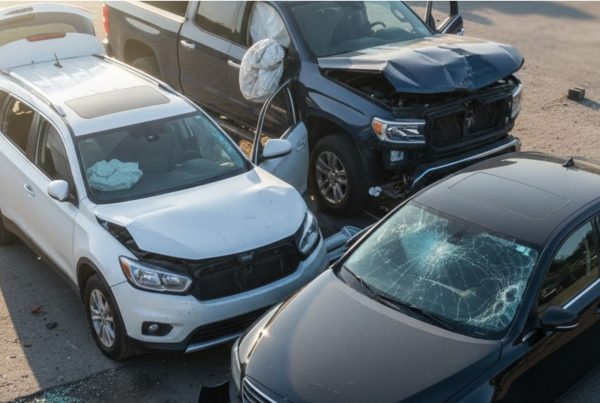

When a loved one dies due to another person’s negligence or wrongful conduct in Arizona, surviving family members face both devastating grief and complex legal questions about pursuing justice. One of the most critical concepts to understand is the burden of proof required in wrongful death claims—a legal standard that differs significantly from criminal prosecutions and directly impacts your ability to recover compensation under Arizona Revised Statutes § 12-611.
Key Information
Arizona wrongful death cases require proof by “preponderance of evidence,” meaning you must demonstrate it’s more likely than not (51% or greater probability) that the defendant’s wrongful act caused your loved one’s death. This standard is substantially lower than the “beyond reasonable doubt” threshold (approximately 90% certainty) used in criminal cases, which means families can successfully pursue wrongful death claims even when criminal charges aren’t filed or result in acquittal. Under Arizona law, you’ll need to prove four essential elements: duty of care, breach of duty, causation, and damages—with each requiring specific types of admissible evidence.
Overview
This comprehensive legal guide explains Arizona’s burden of proof requirements for wrongful death cases, providing families with clear understanding of what evidence is needed, how civil standards differ from criminal prosecution, and why the preponderance threshold makes recovery achievable in complex liability situations. Unlike generic legal resources, this guide delivers Arizona-specific statutory analysis under ARS §§ 12-611 through 12-613, Maricopa County procedural insights, and strategic evidence evaluation from attorneys with extensive litigation experience. Long & Simmons Law’s proven personal injury representation and comprehensive understanding of Arizona’s legal system helps families navigate the evidence requirements necessary for successful wrongful death recovery.
What is the Burden of Proof in Arizona Wrongful Death Cases?
The burden of proof determines how much evidence you need to prevail in your wrongful death claim. In Arizona, wrongful death cases operate under the “preponderance of evidence” standard, which requires showing that your version of events is more likely true than not—essentially a 51% probability. This civil standard differs dramatically from criminal prosecutions, where the state must prove guilt “beyond reasonable doubt,” requiring approximately 90% or greater certainty with virtually no reasonable doubts remaining.
Understanding this distinction is critical for Arizona families pursuing wrongful death claims. The lower civil burden means you can achieve successful recovery even when parallel criminal cases don’t result in conviction, or when prosecutors decline to file charges due to insufficient evidence for the higher criminal standard. Arizona Revised Statutes § 12-611 establishes wrongful death liability when “death of a person is caused by wrongful act, neglect or default”—language that encompasses various forms of negligence and intentional conduct provable under the preponderance standard.
Preponderance of Evidence Explained: The 51% Standard
Think of preponderance of evidence as a balancing scale where your evidence must outweigh the defendant’s evidence, even if only slightly. If the scales tip 51% in your favor, you’ve met the burden of proof required for wrongful death recovery in Arizona courts. This standard doesn’t require absolute certainty or elimination of all possible alternative explanations—it simply means your evidence makes your claim more probable than not.
Arizona juries evaluate evidence using this “more likely than not” framework, considering witness testimony, documentary evidence, expert opinions, and physical evidence to determine which side’s version of events is more credible. The preponderance standard recognizes that absolute certainty is rarely achievable in civil litigation, and that justice requires compensating families when the evidence reasonably supports their wrongful death claims, even if some uncertainty remains.
Criminal vs. Civil Burden: Why They Differ in Arizona
The dramatic difference between civil preponderance (51%+) and criminal reasonable doubt (90%+) standards reflects fundamentally different stakes in each type of proceeding. Criminal prosecutions threaten defendants with loss of liberty through incarceration, requiring the highest level of proof to protect constitutional rights. Civil wrongful death cases, by contrast, involve monetary compensation rather than imprisonment, justifying the lower preponderance standard.
This distinction means the same incident can result in criminal acquittal but successful civil wrongful death recovery—a pattern seen in high-profile cases nationwide. When prosecutors decline charges or juries return not-guilty verdicts in criminal court, those outcomes don’t prevent Arizona families from pursuing wrongful death litigation under the more achievable civil standard. The criminal verdict simply means the prosecution didn’t meet the 90%+ threshold, not that you cannot prove your claim by 51%+ preponderance.
Arizona Statutory Framework for Wrongful Death Proof
Arizona’s wrongful death statutes establish the legal foundation for burden of proof requirements. ARS § 12-611 creates liability when death results from “wrongful act, neglect or default” that would have entitled the deceased to damages had they survived. This statutory language encompasses both negligence (failure to exercise reasonable care) and intentional conduct (deliberate harmful acts).
Arizona courts interpret these statutory requirements through case law and Arizona State Bar approved jury instructions, which guide how evidence is evaluated under the preponderance standard. Maricopa County Superior Court procedures govern evidence presentation in Phoenix-area wrongful death cases, with specific rules for witness testimony, expert opinions, documentary evidence, and demonstrative exhibits that help juries assess whether plaintiffs met their burden of proof.
The Four Elements You Must Prove in Arizona Wrongful Death Claims
 Arizona wrongful death claims require proof of four distinct elements, each proven by preponderance of evidence. Failure to establish any single element defeats the entire claim, regardless of how strong your evidence is for the other three. Understanding what you must prove for each element—and what types of evidence Arizona courts find persuasive—is essential for successful wrongful death recovery.
Element 1: Duty of Care Under Arizona Law
The first element requires showing the defendant owed a legal duty of care to your deceased loved one. Duty represents a legal obligation to exercise reasonable care under the circumstances, arising from relationships, activities, or situations that create responsibility for others’ safety. Common duty scenarios in Arizona wrongful death cases include drivers owing duty to other motorists and pedestrians under traffic laws, medical professionals owing patients a duty to meet appropriate standards of care, property owners owing visitors duty to maintain reasonably safe premises, and manufacturers owing consumers duty to produce safe products.
Arizona establishes duty through statutes like traffic safety laws, professional licensing regulations setting medical standards, and common law principles governing property owner responsibilities. Evidence proving duty typically includes documentation of the relationship between defendant and deceased, applicable safety regulations or professional standards, and expert testimony explaining what duty the defendant owed under specific circumstances.
Element 2: Breach of Duty (Negligence or Intentional Conduct)
Once you establish duty, you must prove the defendant breached that duty through negligence or intentional conduct. Breach means the defendant violated their obligation by failing to exercise reasonable care (negligence) or by deliberately engaging in harmful conduct (intentional acts). Negligence is the most common basis for wrongful death claims, involving situations where defendants knew or should have known their conduct created unreasonable risk of harm.
Evidence establishing breach includes eyewitness testimony describing how the defendant acted, accident reconstruction showing how incidents occurred, photographic or video documentation of dangerous conditions or conduct, expert analysis explaining how defendant’s actions violated applicable standards, and documentation of safety violations or regulatory non-compliance. In vehicle accident wrongful death cases, breach evidence might include police reports documenting traffic violations, toxicology showing intoxication, or mechanical inspection revealing improper maintenance.
Element 3: Causation—Proving the Breach Directly Caused Death
Causation is often the most contested element in Arizona wrongful death cases, requiring proof that the defendant’s breach was a substantial factor in causing death and that death would not have occurred “but for” the defendant’s conduct. This element demands showing direct connection between breach and death, not merely that breach and death both occurred. Arizona courts require both “cause in fact” (but for the breach, death wouldn’t have happened) and “proximate cause” (breach was a foreseeable and substantial factor in causing death).
Causation evidence typically requires expert medical testimony explaining how defendant’s conduct led to fatal injuries, autopsy reports establishing cause of death, toxicology results ruling out alternative causes, accident reconstruction demonstrating mechanism of injury, and medical records documenting treatment and declining condition. When multiple potential causes exist, you must show the defendant’s breach was a substantial contributing factor, even if other factors also played roles.
Experienced wrongful death attorneys understand that causation often requires coordinating multiple expert witnesses who can explain complex medical and scientific concepts to juries in understandable terms. This element frequently involves battles between plaintiff’s experts and defense experts offering competing opinions about what caused death—making the quality and credibility of expert testimony critical to meeting your burden of proof.
Element 4: Damages Under ARS § 12-613
The fourth element requires proving that surviving family members suffered compensable losses due to the wrongful death. Arizona Revised Statutes § 12-613 authorizes juries to award “such damages as it deems fair and just with reference to the injury resulting from the death”—a flexible standard allowing recovery for both economic and non-economic losses.
Economic damages include lost income and financial support the deceased would have provided, medical expenses incurred before death, funeral and burial costs, and loss of household services and benefits. Non-economic damages compensate for loss of companionship and consortium, loss of guidance and counsel, grief and emotional suffering, and loss of protection and care. Evidence proving damages includes employment records and pay stubs showing income, financial documents demonstrating support provided to family, medical bills and funeral expenses receipts, testimony from family members describing relationships and losses, and economic expert analysis calculating lifetime financial losses.
Types of Evidence That Satisfy Arizona’s Wrongful Death Burden of Proof
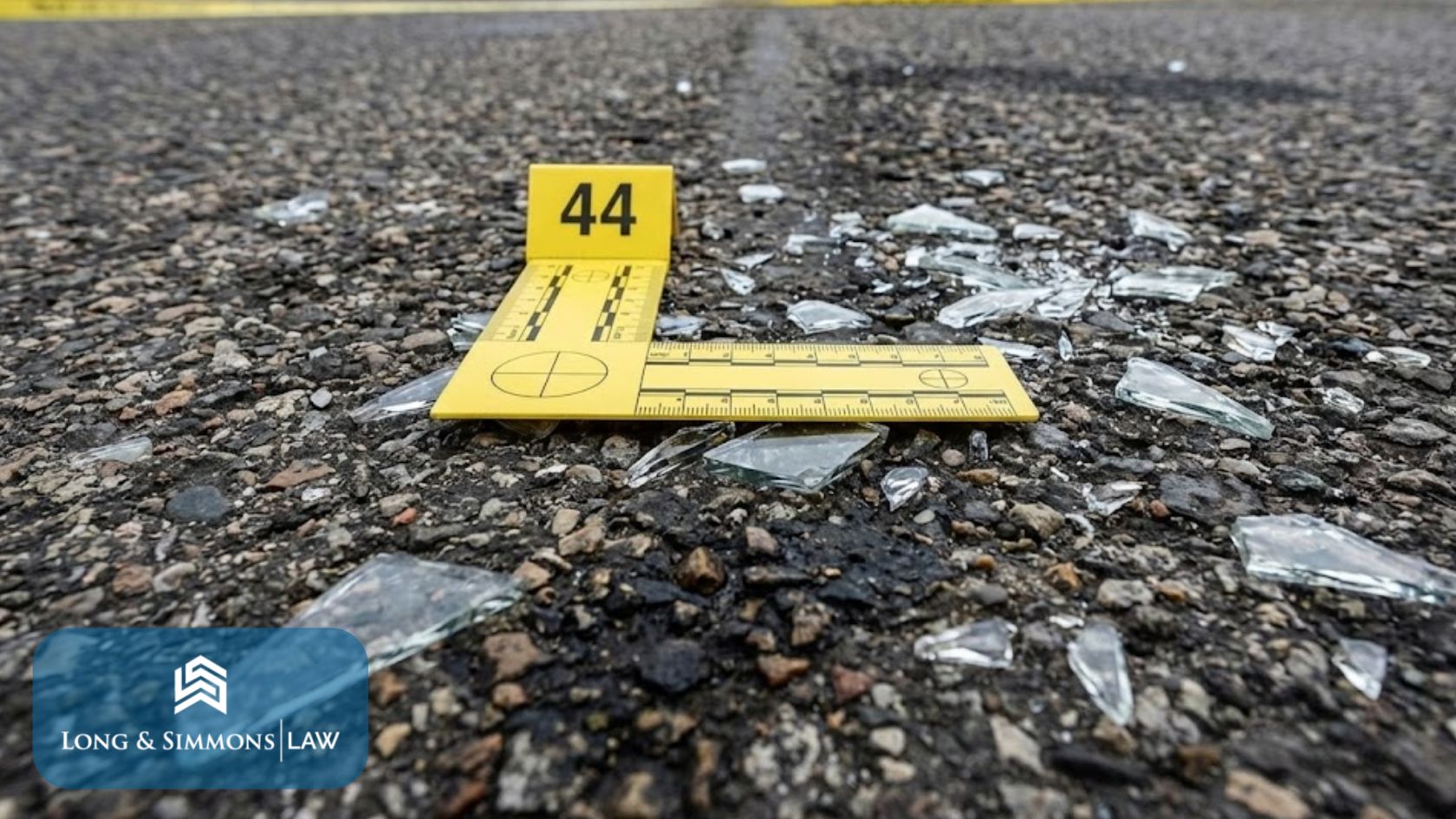
Meeting Arizona’s preponderance of evidence standard requires presenting multiple types of evidence that collectively demonstrate your wrongful death claim is more likely true than not. Arizona courts evaluate evidence based on relevance (whether it tends to prove facts at issue), reliability (whether it’s trustworthy and credible), and admissibility under Arizona Rules of Evidence. Successful wrongful death cases typically combine documentary evidence, witness testimony, and physical or scientific evidence to create comprehensive proof addressing all four required elements.
Documentary Evidence in Arizona Wrongful Death Cases
Documentary evidence provides tangible records supporting your wrongful death claim. Medical records documenting treatment received before death establish the nature and severity of injuries, while autopsy and medical examiner reports confirm cause of death and contributing factors. Police reports, workplace incident reports, or other official investigations provide contemporaneous documentation of how the fatal incident occurred.
Employment and financial records demonstrate the deceased’s income and financial contributions to family, supporting damages calculations. Photographs and video footage of accident scenes, hazardous conditions, or the incident itself offer powerful visual evidence. Safety inspection reports, regulatory violation notices, and maintenance records can prove defendants failed to meet required standards. In commercial vehicle wrongful death cases, driver logs, vehicle maintenance records, and company safety policies become critical documentary evidence.
Witness Testimony: Fact Witnesses and Expert Witnesses
Witness testimony brings evidence to life through personal accounts and expert analysis. Fact witnesses provide firsthand observations about the incident, the deceased’s life and relationships, and the impact of loss on surviving family. Eyewitnesses who saw the fatal incident describe what happened, while family members testify about the deceased’s role in their lives and the losses they’ve suffered.
Expert witnesses offer specialized knowledge beyond common jury understanding. Medical experts explain how injuries caused death and whether proper care could have prevented fatality. Accident reconstruction specialists analyze physical evidence to demonstrate how incidents occurred and who bore responsibility. Economic damages experts calculate lost income and financial support using employment data, life expectancy tables, and economic modeling. Vocational experts assess lost household services and benefits the deceased provided.
Arizona courts require expert witnesses to possess appropriate qualifications and use reliable methodologies. Attorneys with extensive litigation experience understand how to identify, retain, and prepare experts whose testimony will withstand defense challenges and persuade juries. The quality of expert witnesses often determines whether plaintiffs meet their burden of proof on contested elements like causation and damages.
Physical and Scientific Evidence
Physical evidence from accident scenes provides tangible proof of how fatalities occurred. Vehicle damage patterns reveal impact forces and collision dynamics. Skid marks, debris fields, and property damage demonstrate speeds and movements. In pedestrian and bicycle accident wrongful death cases, physical evidence often proves critical for establishing how collisions occurred and who violated traffic laws.
Scientific evidence includes toxicology results showing intoxication or drug impairment, laboratory testing revealing product defects or contamination, biomechanical analysis explaining injury mechanisms, and computer simulations reconstructing accident sequences. Demonstrative evidence like charts, diagrams, and animations helps juries visualize complex events and understand technical testimony.
Arizona’s spoliation rules require parties to preserve relevant evidence once litigation is reasonably foreseeable. Defendants who destroy evidence face potential sanctions and adverse inferences. This makes immediate consultation with qualified wrongful death counsel essential for ensuring evidence is preserved before it disappears or deteriorates.
Wrongful Death Without Criminal Conviction: Understanding Independent Standards
One of the most important concepts for Arizona families to understand is that wrongful death claims proceed independently from criminal prosecutions under completely separate legal standards. You can pursue civil wrongful death recovery regardless of whether criminal charges are filed, and criminal acquittals don’t prevent successful civil claims. This independence stems from the different burden of proof standards and distinct purposes of criminal versus civil proceedings.
Why Criminal Acquittal Doesn’t Prevent Wrongful Death Recovery
Criminal acquittals simply mean prosecutors failed to prove guilt beyond reasonable doubt (approximately 90% certainty)—they don’t mean defendants are innocent or that you cannot prove wrongful death by preponderance of evidence (51%+ likelihood). The dramatically different standards mean the same evidence that proved insufficient for criminal conviction can fully satisfy the lower civil burden.
Additionally, different evidence rules apply in civil versus criminal proceedings. Criminal defendants enjoy Fifth Amendment protections against self-incrimination and other constitutional safeguards that don’t apply in civil court. Evidence excluded from criminal trials due to constitutional violations may be admissible in civil wrongful death cases. Civil discovery allows more extensive evidence gathering than criminal procedures, potentially uncovering proof unavailable to prosecutors.
Historical examples nationwide demonstrate this principle, with high-profile cases resulting in criminal acquittals but substantial civil wrongful death verdicts. Arizona families should understand that “not guilty” verdicts don’t preclude civil recovery—they simply reflect different proof standards and procedural rules between criminal and civil systems.
Filing Wrongful Death Claims When No Criminal Charges Are Brought
Prosecutors may decline criminal charges for reasons entirely unrelated to whether you can prove civil wrongful death. Resource constraints lead prosecutors to prioritize certain cases over others. Prosecutorial discretion allows declining charges even when evidence exists, based on office policies or strategic considerations. Most importantly, evidence sufficient for civil preponderance standard may fall short of criminal reasonable doubt threshold, leading prosecutors to decline charges you can still prove civilly.
Arizona’s two-year statute of limitations under ARS § 12-542 runs from date of death regardless of criminal case status. This means you cannot wait for prosecutors to decide about criminal charges before pursuing wrongful death claims—you must act within two years or permanently lose your right to recovery. Immediate consultation with experienced wrongful death counsel ensures you develop independent civil evidence without relying on criminal investigations that may never occur.
Parallel Proceedings: When Criminal and Civil Cases Proceed Simultaneously
When criminal prosecutions and civil wrongful death cases proceed simultaneously, strategic coordination becomes important. Criminal convictions can provide powerful evidence in civil cases through collateral estoppel, allowing you to use the conviction as proof of liability elements. However, defendants may invoke Fifth Amendment privileges against self-incrimination in civil proceedings while criminal charges are pending, limiting civil discovery.
Timing considerations affect how parallel proceedings interact. Some families prefer waiting for criminal resolution before actively pursuing civil claims, while others proceed immediately to preserve evidence and meet statutes of limitations. Experienced attorneys can help you navigate these strategic decisions based on your specific circumstances and the strength of available evidence.
Arizona-Specific Wrongful Death Procedures and Burden of Proof Timelines
Arizona’s wrongful death statutes impose specific procedural requirements and strict deadlines that directly affect your ability to prove claims and recover compensation. Understanding these Arizona-specific rules is essential for protecting your rights and ensuring you have sufficient time to gather evidence meeting the burden of proof.
Statute of Limitations and Filing Deadlines Under ARS § 12-542
Arizona provides two years from the date of death to file wrongful death claims under Arizona Revised Statutes § 12-542(2). This deadline is strictly enforced—missing it permanently bars recovery regardless of how strong your evidence is or how clear the defendant’s liability. The two-year period runs from the date of death, not the date you discovered who caused death or that you have a claim.
Limited exceptions exist for tolling (pausing) the statute of limitations, including for minor children until they reach age 18, for legally incapacitated individuals until incapacity ends, and potentially for fraudulent concealment by defendants. However, these exceptions are narrowly construed, and you should never rely on them without qualified legal counsel confirming applicability to your specific situation.
Claims against Arizona government entities face even stricter deadlines. Arizona Revised Statutes § 12-821 requires filing a Notice of Claim within 180 days of death for claims against state or local government entities. After the government denies your notice or 60 days pass without response, you have one year to file lawsuit. These shortened timelines for government claims make immediate consultation essential when wrongful death involves public employees or entities.
Who Can File: Arizona’s Restrictive Plaintiff Rules (ARS § 12-612)
Arizona Revised Statutes § 12-612 strictly limits who can file wrongful death claims. Only surviving spouses, children, parents, guardians, or personal representatives of the deceased’s estate have standing to bring claims. Arizona law explicitly excludes siblings, extended family members, life partners, and stepchildren without legal adoption—even when they had close relationships with the deceased or suffered significant losses.
This restrictive standing requirement means some individuals who feel profound impact from wrongful death cannot pursue claims in their own right. When no immediate family members exist, a personal representative of the estate may file on behalf of any potential beneficiaries. Understanding who has legal standing to file is essential for ensuring claims are brought by proper parties with authority to seek recovery.
Damages recovered in Arizona wrongful death cases are distributed among eligible survivors based on their individual losses under ARS § 12-612(C). The jury determines fair and just damages for each family member separately, rather than awarding a lump sum divided equally. This means evidence must demonstrate each survivor’s specific losses and relationship with the deceased.
Discovery Phase: Building Evidence to Meet Burden of Proof
Arizona’s civil discovery procedures allow parties to gather evidence after filing wrongful death lawsuits. Discovery tools include interrogatories (written questions requiring sworn answers), requests for production (demanding documents and physical evidence), and depositions (sworn testimony taken before trial). These procedures enable comprehensive evidence development necessary to meet your burden of proof.
Expert witness disclosure requirements mandate identifying experts and providing their opinions within court-ordered deadlines, typically several months before trial. This allows opposing parties to evaluate expert credentials and methodologies, take expert depositions, and potentially challenge expert qualifications or opinions. Strategic expert retention and thorough preparation become critical for ensuring experts can withstand these challenges.
Medical records acquisition requires navigating privacy laws and obtaining proper authorizations. Deceased individuals’ medical records require personal representative authority or family consent under HIPAA and Arizona privacy laws. Defense medical examinations aren’t applicable in wrongful death cases since the deceased cannot be examined, but defendants may retain their own medical experts to review records and offer contrary opinions.
Trial Preparation and Burden of Proof Presentation
Maricopa County Superior Court procedures govern wrongful death trials in the Phoenix area. Pretrial conferences address pending motions, discovery disputes, and trial scheduling. Motion practice may include defense motions for summary judgment arguing insufficient evidence to meet burden of proof—requiring plaintiffs to demonstrate genuine factual disputes warranting jury resolution.
Jury selection involves questioning potential jurors about biases, life experiences, and ability to fairly evaluate preponderance of evidence standard. Voir dire allows identifying jurors who may struggle with the 51% standard or have predispositions affecting their verdict.
During trial, plaintiffs bear the burden of presenting evidence on all four elements during their case-in-chief. This means your attorney must strategically organize witness testimony, documentary evidence, and expert opinions to build persuasive proof that tips the scales 51% or more in your favor. Closing arguments emphasize how the evidence meets the preponderance standard, often using visual scales or percentages to help jurors understand what burden of proof requires.
Common Challenges in Meeting the Wrongful Death Burden of Proof
While Arizona’s preponderance of evidence standard is more achievable than criminal reasonable doubt, wrongful death plaintiffs still face realistic obstacles in gathering sufficient proof. Understanding common challenges helps families appreciate why qualified legal counsel and thorough investigation are essential for successful recovery.
Causation Challenges: Proving “But For” and Proximate Cause
Causation disputes arise when defendants argue that pre-existing medical conditions, not their conduct, caused death. Elderly or ill victims often have multiple health issues, allowing defendants to claim death resulted from natural disease progression rather than their negligence. You must prove the defendant’s breach was a substantial factor in causing death even if the victim had underlying health problems.
Multiple contributing factors can complicate causation proof when several causes combined to produce death. Arizona law recognizes that multiple causes can all be substantial factors, but you must demonstrate the defendant’s conduct played a meaningful role—not that it was the sole or even primary cause. Intervening causes occur when events happen after the defendant’s breach but before death, potentially breaking the causal chain if they were unforeseeable and independently sufficient to cause death.
Expert witness battles over medical causation are common, with defense experts offering opinions contradicting your experts’ conclusions. The credibility and qualifications of competing experts often determine which side prevails on causation. This makes expert selection and preparation critical—you need medical experts with impeccable credentials who can explain complex medical concepts clearly and withstand aggressive cross-examination.
Evidence Preservation and Spoliation Issues
Time-sensitive evidence deteriorates or disappears as days and weeks pass after wrongful death. Physical evidence from accident scenes is cleaned up, repaired, or removed. Witnesses’ memories fade or witnesses become unavailable. Video footage is recorded over or deleted. The passage of time makes evidence reconstruction increasingly difficult.
Spoliation occurs when parties destroy evidence after litigation becomes reasonably foreseeable. Arizona courts may impose sanctions for evidence destruction, including adverse inferences allowing juries to assume destroyed evidence would have supported the opposing party’s claims. However, spoliation remedies depend on proving intentional destruction and prejudice from evidence loss—challenges that don’t restore the missing proof.
Immediate evidence preservation steps qualified attorneys take include sending preservation letters demanding defendants retain evidence, hiring investigators to document accident scenes promptly, interviewing witnesses while memories are fresh, and obtaining court orders preventing evidence destruction. These proactive measures protect your ability to gather proof meeting burden of proof requirements before critical evidence disappears.
Comparative Fault in Arizona Wrongful Death Cases
Arizona follows pure comparative negligence under A.R.S. § 12-2505, meaning recovery is reduced by the percentage of fault attributed to the deceased. If your loved one bore any responsibility for the incident causing death, defendants will argue comparative fault to reduce their liability. Even when you prove the defendant caused death, comparative fault findings can significantly diminish damages awarded.
Juries receive instructions on fault apportionment, requiring them to assign percentage responsibility to each party whose negligence contributed to death. If the deceased was 30% at fault and the defendant 70% at fault, your recovery is reduced by 30%. Unlike some states that bar recovery when plaintiffs exceed certain fault thresholds, Arizona’s pure comparative negligence allows recovery even when the deceased was more than 50% at fault—though obviously substantial comparative fault dramatically reduces damages.
Strategic responses to comparative fault defenses include thorough investigation showing the deceased acted reasonably under the circumstances, expert testimony explaining why the deceased’s conduct didn’t breach any duty of care, and evidence demonstrating the defendant’s conduct was the overwhelming cause of death regardless of any minor contributory actions by the deceased.
Why Attorney Qualifications Matter for Wrongful Death Burden of Proof
The complexity of proving wrongful death claims under Arizona’s preponderance standard makes attorney qualifications directly relevant to case outcomes. While any licensed attorney can theoretically handle wrongful death cases, specialized experience and proven litigation skills significantly impact your ability to gather evidence meeting burden of proof requirements and present that proof persuasively to juries.
Litigation Experience and Evidence Evaluation Expertise
Attorneys with extensive trial experience understand what evidence Arizona juries find persuasive and how to present complex proof clearly. This includes knowing which expert witnesses have credibility in Maricopa County courts, how to use demonstrative evidence effectively, and what common defense tactics to anticipate and counter. Decades of litigation experience handling numerous wrongful death cases provides pattern recognition for identifying evidence gaps and developing strategies to strengthen proof.
Evidence evaluation skills help attorneys assess case viability early, identifying whether available evidence can meet the preponderance standard before investing substantial time and resources. Honest case assessment protects families from pursuing unwinnable claims while ensuring viable cases receive thorough preparation. Comprehensive legal representation requires both strategic evidence gathering and realistic evaluation of proof sufficiency.
Trial Advocacy and Evidence Presentation Skills
Courtroom advocacy makes the difference between evidence that theoretically meets burden of proof and evidence that actually persuades juries. Effective trial attorneys present complex evidence through clear narratives juries can follow, prepare witnesses to testify confidently and credibly, cross-examine defense witnesses to expose weaknesses in their testimony, and deliver compelling opening statements and closing arguments tying evidence to burden of proof requirements.
Expert witness coordination involves more than just retaining qualified experts—it requires preparing them to communicate technical concepts in understandable terms, anticipating defense challenges to their methodologies, and organizing their testimony for maximum impact. Demonstrative evidence development, including charts, diagrams, and visual aids, helps juries understand technical evidence and remember key facts during deliberations.
Local Court Experience and Arizona Legal Knowledge
Familiarity with Maricopa County Superior Court procedures, local judges’ preferences, and regional jury tendencies provides advantages in trial preparation and strategy. Attorneys practicing regularly in Phoenix-area courts understand how local juries evaluate evidence, which arguments resonate with Arizona jurors, and how specific judges handle evidence disputes and courtroom procedures.
Comprehensive knowledge of Arizona wrongful death statutes, case law interpreting those statutes, and Arizona Rules of Evidence governing admissibility ensures your attorney can navigate procedural requirements while maximizing the evidence available to prove your claim. This local legal expertise helps avoid procedural mistakes that could undermine otherwise strong cases.
Frequently Asked Questions About Wrongful Death Burden of Proof in Arizona
What is the burden of proof in an Arizona wrongful death case?
The burden of proof in Arizona wrongful death cases is “preponderance of evidence,” meaning you must prove it’s more likely than not (51% or greater probability) that the defendant’s wrongful act, neglect, or default caused your loved one’s death under Arizona Revised Statutes § 12-611. This standard is substantially lower than the “beyond reasonable doubt” threshold (approximately 90% certainty) required in criminal prosecutions.
How is preponderance of evidence different from beyond a reasonable doubt in wrongful death cases?
Preponderance of evidence requires showing something is more likely true than not—essentially 51% probability—while beyond reasonable doubt requires much higher certainty with virtually no reasonable doubts remaining, approximately 90% or greater probability. This difference explains why families can win civil wrongful death cases even when criminal prosecutions fail or aren’t pursued, since the civil standard is much more achievable.
What does “more likely than not” mean in wrongful death cases?
“More likely than not” means the evidence tips the scales slightly in favor of your version of events—if the probability is 51% or greater that the defendant caused death through wrongful conduct, you’ve met the burden of proof. Think of it as evidence on a balance scale where your proof must outweigh the defendant’s evidence, even if only marginally.
Can I file a wrongful death lawsuit if there’s no criminal conviction in Arizona?
Yes, absolutely. Arizona wrongful death claims under ARS § 12-611 are independent civil actions with a lower burden of proof (51% preponderance) than criminal prosecutions (90%+ reasonable doubt). Families can pursue wrongful death recovery even if no criminal charges were filed or if criminal prosecution resulted in acquittal, since the civil case requires substantially less certainty to prevail.
What are the four elements I must prove in an Arizona wrongful death lawsuit?
Under Arizona law, you must prove by preponderance of evidence: (1) the defendant owed a duty of care to the deceased, (2) the defendant breached that duty through negligence or intentional conduct, (3) the breach directly and proximately caused the death, and (4) surviving family members suffered compensable damages. All four elements are required—failure to prove any single element defeats the entire claim.
How do I prove causation in a wrongful death case in Phoenix?
Causation requires showing the defendant’s breach was a substantial factor in causing death and that death would not have occurred “but for” the defendant’s conduct. Evidence typically includes medical records, autopsy reports, expert medical testimony, accident reconstruction, and toxicology results. Phoenix wrongful death cases often require multiple expert witnesses to establish causation under the preponderance standard, particularly when defendants argue that pre-existing conditions or other factors caused death.
What evidence do I need to prove wrongful death in Arizona?
Evidence must cover all four elements: (1) duty evidence—relationship documentation, safety standards, applicable regulations; (2) breach evidence—witness testimony, accident reports, photographs/video, expert analysis; (3) causation evidence—medical records, autopsy, expert medical testimony; (4) damages evidence—financial records, testimony from family members. Documentary evidence, witness testimony, and expert opinions work together to create comprehensive proof meeting the preponderance standard.
Do I need expert witnesses to meet the burden of proof in Arizona wrongful death cases?
While not legally required in every case, expert witnesses are typically essential for proving medical causation and damages calculation. Medical experts establish how the defendant’s conduct caused death, accident reconstruction experts prove breach of duty, and economic experts calculate lost income and financial losses. Arizona courts require expert testimony when technical issues exceed the common knowledge of average jurors.
What is the role of expert testimony in meeting wrongful death burden of proof?
Expert witnesses provide specialized knowledge helping juries understand complex evidence that’s beyond common experience. Medical experts explain causation mechanisms, accident reconstruction specialists demonstrate how incidents occurred, and economists calculate financial damages. Under Arizona Rules of Evidence, qualified experts can testify to opinions that help juries evaluate whether you met the preponderance of evidence standard on technical issues central to your claim.
How does medical malpractice wrongful death burden of proof differ in Arizona?
Medical malpractice wrongful death cases have the same preponderance of evidence burden but require additional procedural steps under Arizona law: an affidavit of merit from a qualified medical expert stating there’s reasonable probability of negligence, and expert testimony on standard of care, breach, and causation. The burden remains 51%+ likelihood, but proof requires medical expert testimony establishing what proper care required and how the defendant deviated from that standard.
What is Arizona’s statute of limitations for wrongful death claims?
Arizona provides two years from the date of death to file wrongful death claims under Arizona Revised Statutes § 12-542(2). Claims against government entities require 180-day Notice of Claim before filing and must be filed within one year after notice rejection. Missing these deadlines permanently bars recovery regardless of how strong your evidence is or how clear the defendant’s liability.
How long does it take to gather evidence for wrongful death burden of proof?
Evidence gathering depends on case complexity but typically requires several months to over a year for thorough investigation including medical record acquisition, expert witness retention and review, witness interviews, accident reconstruction, economic analysis, and discovery responses. Arizona’s two-year statute of limitations makes immediate consultation critical to ensure adequate time for evidence development while protecting your right to file within required deadlines.
Who can file a wrongful death lawsuit in Arizona?
Arizona Revised Statutes § 12-612 restricts wrongful death plaintiffs to immediate family: surviving spouse, children, parents, guardian, or personal representative of the estate. Arizona law excludes siblings, extended family, life partners, and stepchildren without legal adoption. Only these statutory beneficiaries have standing to bring wrongful death claims regardless of their relationship closeness to the deceased.
What happens if I can’t meet the burden of proof in my wrongful death case?
If you fail to prove any of the four required elements by preponderance of evidence (51%+), the court will dismiss your case or the jury will return a defense verdict. This is why thorough evidence development with qualified wrongful death counsel is essential—experienced attorneys can identify early whether evidence satisfies the burden of proof and develop additional evidence where gaps exist, or provide honest assessment when cases lack sufficient proof to justify pursuing litigation.
How are damages calculated in Arizona wrongful death cases?
Arizona juries determine “fair and just” damages under Arizona Revised Statutes § 12-613 based on evidence presented about economic losses (lost income, medical expenses, funeral costs) and non-economic losses (loss of companionship, guidance, consortium). Economic experts calculate financial losses using employment records and life expectancy data, while family testimony establishes non-economic damages. Arizona’s pure comparative negligence law may reduce recovery if the deceased shared any fault for the incident.
Taking Action: Protecting Your Rights Under Arizona’s Burden of Proof Requirements
Understanding Arizona’s burden of proof requirements empowers surviving family members to pursue justice with realistic expectations about evidentiary standards and procedural requirements under Arizona Revised Statutes §§ 12-611 through 12-613. The preponderance of evidence standard—requiring 51%+ probability rather than criminal prosecution’s 90%+ certainty—makes civil recovery achievable when qualified counsel conducts thorough investigation, coordinates expert witnesses, and presents comprehensive evidence proving all four required elements.
Long & Simmons Law’s extensive litigation experience and comprehensive understanding of Arizona’s legal system helps families navigate the evidence requirements necessary for successful wrongful death recovery. Our proven trial advocacy and thorough case preparation provide strategic advantages in developing evidence that meets or exceeds Arizona’s preponderance standard.
If your family is considering wrongful death recovery in Phoenix or anywhere in Arizona, immediate consultation with qualified legal counsel is critical. Arizona’s two-year statute of limitations under ARS § 12-542 and 180-day government notice requirements create urgent deadlines, while evidence preservation becomes more difficult with each passing day. Contact Long & Simmons Law for confidential case evaluation assessing whether available evidence meets Arizona’s burden of proof requirements and what additional investigation may strengthen your claim.
Next steps for Arizona families considering wrongful death claims include immediate consultation to evaluate evidence sufficiency under the preponderance standard before the statute of limitations expires, evidence preservation through qualified counsel’s investigation and expert retention, strategic case development leveraging experienced litigation attorneys’ evidence evaluation expertise, and comprehensive proof presentation coordinating documentary evidence, witness testimony, and expert opinions meeting all four required elements. Professional guidance through this complex process can make the difference between successful recovery and permanently losing your right to justice for your loved one’s wrongful death.
Sources
Arizona Legal Resources
- Arizona Revised Statutes § 12-611 – Establishes wrongful death liability when death is caused by wrongful act, neglect or default
- Arizona Revised Statutes § 12-612 – Specifies who can file wrongful death claims and damage distribution among survivors
- Arizona Revised Statutes § 12-613 – Defines measure of damages in wrongful death cases as fair and just with reference to injury
- Arizona Revised Statutes § 12-542 – Establishes two-year statute of limitations for wrongful death claims from date of death
- Arizona State Legislature – Official source for Arizona Revised Statutes and legislative updates
Professional and Bar Association Sources
- Arizona State Bar – RAJI jury instructions on wrongful death damages and Board of Legal Specialization standards
- Cornell Legal Information Institute – Burden of Proof – Explains different standards for civil versus criminal cases
- Cornell Legal Information Institute – Preponderance of Evidence – Defines preponderance as greater than 50% chance claim is true
Court and Legal System Authorities
- Arizona Courts – Official Arizona court system information on civil procedures and wrongful death case handling
- Long & Simmons Law – Insights on Proving Negligence in Wrongful Death Cases – Detailed analysis of negligence elements in Arizona wrongful death litigation
Legal Consultation Disclaimer
This article provides general information about Arizona wrongful death law and should not be considered as specific legal advice for your case. Wrongful death claims, evidentiary requirements, and legal procedures vary significantly based on individual circumstances, jurisdiction within Arizona, and specific case details. Evidence sufficiency, burden of proof analysis, and case outcomes depend on many factors unique to each situation.
For confidential legal consultation and qualified representation for your specific Arizona wrongful death case, contact Long & Simmons Law. Our experienced trial attorneys will provide personalized legal analysis based on your specific circumstances and the evidence available in your case. No attorney-client relationship is created by reading this article.