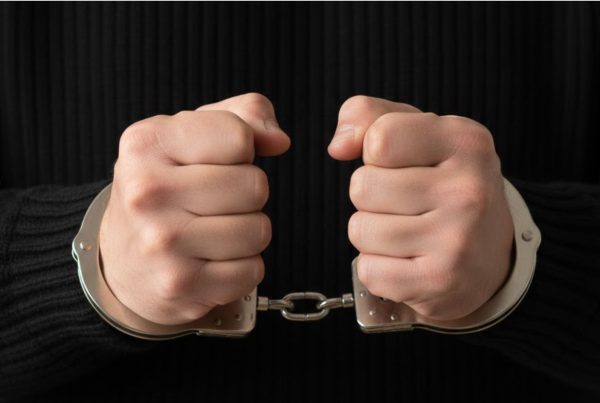
Facing sex crime or other serious felony in Arizona means confronting life-altering decisions that could determine your freedom, reputation, and future. If you’re considering a plea deal, understanding Arizona’s unique legal landscape and the critical role of qualified defense representation becomes essential for protecting your rights and securing the best possible outcome.
Key Information
Arizona’s plea bargaining process for serious felony charges operates under specific statutory requirements found in ARS 13-4423, which mandates victim notification and judicial approval for all plea agreements. Sex crime charges in Arizona often carry mandatory minimum sentences and potential lifetime registration requirements.
Overview
This comprehensive guide examines plea deal strategies for sex crime and major felony cases specifically within Arizona’s criminal justice system. Drawing from proven defense experience and former prosecutor insights, we’ll explore Arizona-specific procedures, penalty structures, attorney qualifications that matter most, and strategic considerations that could significantly impact your case outcome. Whether you’re facing charges in Maricopa County, Pima County, Pinal County, Coconino County or anywhere throughout Arizona, understanding these legal nuances could prove essential for your defense.
Arizona-Specific Plea Procedures & Statutory Law
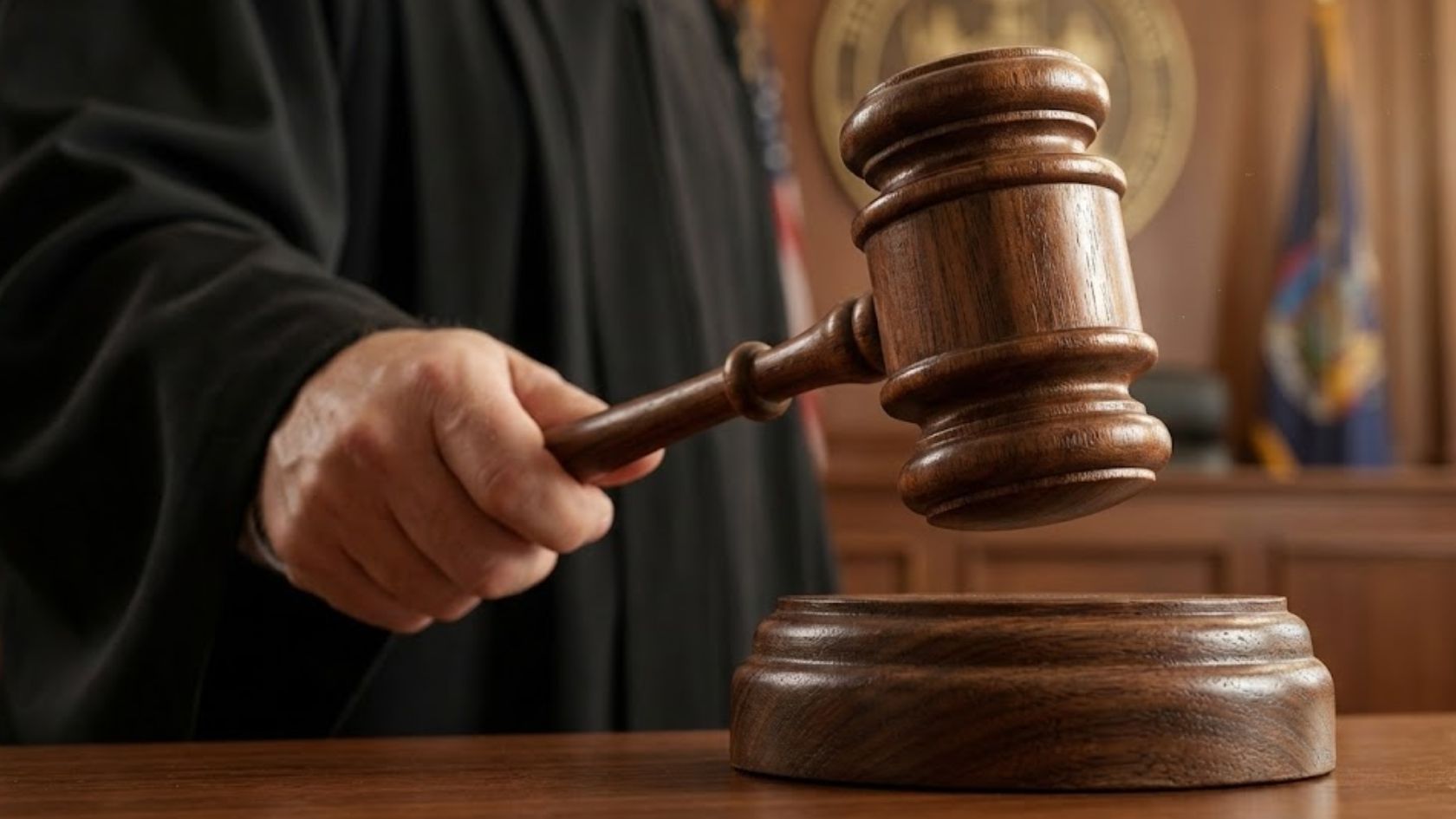 Arizona’s plea bargaining framework operates under distinctly different rules compared to other states, particularly for serious felony charges. The statutory foundation begins with Arizona Revised Statute 13-4423, which establishes victim rights in plea negotiations and requires written documentation of all plea agreements before judicial consideration.
For sex crime charges, the facts of the case, the likely punishment after trial and the strength of the evidence are the factors which impact plea offers. Prosecutors are the ones who determine what plea offers to make or even whether to make plea offers. Prosecutors are not required to make plea offers in every case.
Before entering into plea negotiations, the attorneys at Long & Simmons Law engage in an independent investigation to challenge the charges. If dismissal is not available, only then do we begin plea negotiations. In sex crimes cases, plea negotiations may involve pleading to a non-sexual offense or a misdemeanor. Other areas which may be negotiated include prison time when a person is facing mandatory prison sentences or preventing registering as a sex offender which is a lifetime obligation.
Arizona Plea Bargaining Process and Required Documentation
Arizona courts require all plea agreements to be submitted in writing with specific components that comply with Arizona Rules of Criminal Procedure. The process typically begins during the pre-trial conference stage, where prosecutors present initial offers based on charge severity, evidence strength, and defendant’s criminal history.
Unlike many jurisdictions, Arizona mandates victim notification for all felony plea negotiations involving violent crimes or sex offenses. This requirement can extend negotiation timelines by 15-30 days* as victims exercise their statutory right to provide input through the Maricopa County Attorney’s Office or respective county prosecutors.
Statutory Penalty Ranges for Sex Crimes and Manslaughter
Arizona’s sentencing structure for serious felonies involves presumptive, mitigated, and aggravated ranges that significantly impact plea negotiations. For dangerous crimes against children, the state often seeks to impose lengthy prison sentences. Long and Simmons Law has a proven record of obtaining favorable results due to our significant experience and trial skill. A rigorous investigation and defense challenging the State’s case are critical to effective plea negotiations on behalf of those accused of sex crimes or other serious felonies.
The Long & Simmons Advantage—Attorney Qualifications & Defense Strategy

Arizona recognizes fewer than 40 attorneys statewide as Board Certified Criminal Law Specialists, making this designation exceptionally rare and valuable for complex plea negotiations. This certification requires demonstrating substantial trial experience, continuing education, peer review, and written examination passage that validates expertise in Arizona criminal law nuances that could prove crucial for your case.
Our attorneys include former sex crimes prosecutors and national sex crimes trainers and scholars with knowledge and experience in challenging the State’s evidence through investigations and challenging testimony. We provide irreplaceable insights into how the state approaches plea negotiations, evidence evaluation, and case prioritization. Understanding prosecution strategies from the inside allows qualified defense attorneys to identify weaknesses in the state’s case and position clients more effectively during negotiations.
Attorney Qualification Standards: Arizona Board of Legal Specialization Requirements
The Arizona State Bar’s certification process demands attorneys demonstrate substantial criminal trial experience, including jury trials, motion practice, and appellate work. Candidates must complete 45 hours of specialized continuing education annually and pass comprehensive examinations covering Arizona criminal procedure, evidence law, and constitutional issues.
For sex crime defense specifically, qualified attorneys must demonstrate experience with DNA and other forensic evidence, victim interview techniques, psychological evaluations, coaching and false allegation realities. This specialized knowledge becomes essential when defending cases that may proceed to trial. This experience enables us to help you avoid trial and obtain a just result through plea negotiations.
How Prosecution Experience Gives Clients a True “Insider Advantage”
Former prosecutors understand how county attorneys evaluate cases, prioritize resources, present trials, and approach plea negotiations based on political pressures, caseload management, and conviction probability assessments. This perspective allows experienced defense attorneys to identify when prosecution cases face evidence problems, witness credibility issues, or procedural vulnerabilities that strengthen the likelihood of positive outcomes for the accused.
Having handled major felony prosecutions provides insight into how serious charges like sex crimes cases progress through Arizona’s court system. Former sex crimes and major felony prosecutors recognize when evidence collection problems, constitutional violations, or procedural errors might provide leverage for favorable outcomes. Our attorneys use their significant expertise and experience to advocate on behalf of our clients.
Case Process, Timelines, and What Arizona Defendants Should Expect

Arizona’s criminal process for serious felony charges typically unfolds over 6-18 months* depending on case complexity, evidence discovery, and negotiation dynamics. Understanding each phase helps defendants make informed decisions about plea offers and whether to take their case to trial.
The initial appearance usually occurs within 24 hours of arrest, where judges set bond conditions and schedule preliminary hearings. For sex crime and other serious felony charges, prosecutors often request high bonds or pretrial detention based on public safety concerns or flight risk assessments.
Pre-Arraignment and Early Court Appearances: Strategic Steps
Early intervention proves crucial for serious felony charges in Arizona. Qualified criminal defense representation should begin immediately upon learning of an accusation, arrest or initial questioning to protect constitutional rights and secure evidence.
Discovery exchange reveals the prosecution’s evidence, witness statements, expert reports, and forensic analysis that form the foundation for the prosecutor’s position on plea offers. This process might take 90-180 days* for complex cases involving multiple victims, extensive digital evidence, or scientific analysis.
Key Plea Negotiation Milestones and Timelines in Arizona
There are no set timelines in Arizona for plea agreements to occur. Prosecutors may, however, impose plea deadlines. Maricopa County operates an Early Disposition Court (EDC) program that attempts to resolve a matter by plea before a probable cause finding has occurred via preliminary hearing or grand jury presentation. It is critical to obtain the help of a qualified defense attorney to evaluate whether a plea at this stage should occur.
Traditional plea negotiations typically occur during pretrial conferences scheduled 30-60 days* after arraignment. These discussions might involve multiple sessions as attorneys exchange information, evaluate evidence, and explore creative resolution options that serve both prosecution and defense interests.
Settlement conferences often represent final opportunities for negotiated resolutions before trial preparation intensifies. Judges sometimes participate in these discussions to encourage reasonable outcomes that avoid lengthy trials and uncertain jury verdicts.
Penalties, Collateral Consequences, and Mitigation Strategies
Arizona’s penalty structure for sex crimes and other serious felonies involves immediate incarceration risks and long-term consequences that extend far beyond prison sentences. Understanding these impacts becomes essential when evaluating any plea offers or alternative resolution strategies.
Sex crime convictions often trigger lifetime registration requirements under Arizona’s three-tier system.
Realistic Penalty Scenarios for First-Time Versus Repeat Offenses
First-time felony offenders in Arizona might qualify for probation eligibility depending on charge classification and statutory sentencing factors. Sex crime charges involving children typically exclude probation options, while adult victim cases sometimes allow supervised release with counseling, monitoring, and registration compliance.
Repeat felony offenders face enhanced sentencing under Arizona’s repeat offender statutes. Previous convictions can significantly enhance possible prison sentences and make probation unavailable.
The presence of dangerous crime against children allegations fundamentally changes penalty exposure. These charges carry mandatory prison sentences. Retaining a defense attorney with significant sex crimes and trial experience is critical to obtaining a favorable outcome.
Defendant Rights, Victim Rights, and Fairness in Arizona Plea Deals
Arizona’s legal framework balances defendant constitutional rights with victim rights and public safety considerations during plea negotiations. Understanding these competing interests helps defendants make informed decisions about accepting offers or proceeding to trial.
The Arizona Constitution’s Victims’ Bill of Rights grants victims the right to be heard during plea proceedings, receive notification of all court dates, and provide input on proposed resolutions. This involvement can sometimes influence prosecution positions and available plea options.
It is critical to have an experienced sex crimes defense attorney present information on behalf of the accused to ensure the rights of the defendant are advanced.
Steps to Ensure an Informed, Voluntary Plea
Arizona courts require detailed plea advisements that cover constitutional rights being waived, potential penalties, and immigration consequences for non-citizens. Judges must confirm defendants understand these implications and are making voluntary decisions without coercion or unrealistic expectations about sentencing outcomes.
The Arizona Court of Appeals recently addressed plea validity in cases involving ineffective assistance of counsel. In State v. Traverso (2024), the court emphasized that defendants must receive competent advice about penalty ranges, collateral consequences, and alternative options before entering binding plea agreements.
Motion to withdraw plea procedures allow defendants to challenge agreements entered without proper advisement or adequate counsel. These remedies require demonstrating manifest injustice, which typically involves showing the plea was involuntary, uninformed, or resulted from deficient legal representation.
Strategic Considerations for Sex Crime Plea Negotiations
Effective plea negotiations for serious felony charges require comprehensive case analysis that considers evidence strength, witness credibility, constitutional issues, and alternative sentencing options. The complexity of these cases often demands specialized expertise that goes beyond general criminal defense experience.
Evidence evaluation becomes particularly crucial for sex crime allegations where physical evidence might be limited and cases rely heavily on victim testimony. Defense strategies might focus on consent issues, credibility challenges, coaching, or constitutional violations during investigation procedures.
Evaluation Factors for Plea Decision-Making
Strength of prosecution evidence plays the primary role in determining whether plea negotiations serve defendant interests. Cases with weak forensic evidence, credibility problems, or constitutional violations might warrant trial preparation rather than accepting unfavorable plea terms.
Collateral consequences analysis becomes essential for defendants with professional licenses, immigration concerns, or family custody issues. Sometimes rejecting seemingly favorable plea offers makes sense when considering long-term impacts on career prospects, residency status, or parental rights.
Alternative sentencing options like mental health court, drug court, or specialized treatment programs might provide better outcomes than traditional plea agreements. These programs require specific eligibility criteria and intensive supervision but could avoid conviction consequences entirely.
Frequently Asked Questions
How do plea deals work in Arizona criminal court?
Arizona plea deals require written agreements that specify exact charges, sentences, and conditions being accepted. Prosecutors must notify victims before finalizing agreements, and judges review all terms to ensure they comply with statutory requirements and serve justice interests. The process typically involves multiple negotiation sessions over several months*.
Are all sex crimes eligible for plea bargaining under Arizona law?
Prosecutors have sole discretion on whether to make plea offers in Arizona.
What does it mean to be a Board Certified Criminal Law Specialist?
Board Certification represents the Arizona State Bar’s highest recognition of criminal defense expertise. Fewer than 40 attorneys statewide hold this certification, which requires extensive trial experience, continuing education, peer review, and examination passage demonstrating mastery of Arizona criminal law.
How does former prosecutor experience impact plea negotiations?
Former prosecutors understand how county attorneys evaluate cases, prioritize resources, and approach negotiations based on evidence strength, political considerations, and conviction probability. This insight allows experienced defense attorneys to identify prosecution weaknesses and obtain favorable results for their clients.
What happens if a plea offer is rejected or withdrawn?
Rejected plea offers don’t prevent future negotiations, though terms might become less favorable as cases progress toward trial. Withdrawn offers typically occur when new evidence emerges or circumstances change, requiring fresh evaluation of negotiation possibilities and trial preparation strategies.
Will a plea deal keep me off the sex offender registry in Arizona?
Most sex crime plea agreements still trigger registration requirements unless charges are reduced to offenses that do not require sex offender registration. Arizona’s registry system depends more on conviction offense than plea terms, though some negotiations might achieve modifications that avoid registration consequences.
What are the long-term consequences of a felony plea in Phoenix?
Felony convictions impact voting rights, firearm possession, professional licensing, housing opportunities, and employment prospects. Immigration consequences for non-citizens can include deportation proceedings. Some convictions qualify for set aside relief after sentence completion, though sex crime records face significant restrictions.
Can I travel or work after a plea agreement in Arizona?
Travel and employment restrictions depend on specific plea terms, probation conditions, and registration requirements. Sex offender registrants face travel notification requirements and employment limitations. Probation typically allows work and supervised travel with advance approval from supervising officers.
How much does criminal defense representation cost for serious charges?
Every case is unique and charges vary depending on the nature of the charge, the number of victims and the complexity of the case. Contact Long and Simmons Law for a full case consultation.
What role do victims (complaining witnesses) play in Arizona plea negotiations?
Arizona law grants victims the right to be heard during plea proceedings and receive notification of proposed agreements. Victim impact statements and restitution requests can influence final plea terms. However, victims cannot veto prosecutorial decisions or dictate specific sentence terms in negotiated resolutions. Victims are entitled to provide input into potential plea offers.
Making Informed Decisions About Your Defense Strategy
Facing serious criminal charges in Arizona requires understanding the complex interplay between statutory penalties, court procedures, and negotiation strategies that could determine your future. The decision to accept a plea agreement or proceed to trial involves analyzing evidence strength, evaluating collateral consequences, and considering long-term impacts on your personal and professional life.
Board Certified Criminal Law Specialists bring proven expertise in navigating these high-stakes decisions through comprehensive case analysis, strategic negotiation, and qualified trial preparation when necessary. Former prosecutor insights provide additional advantages in understanding how the state approaches these cases and where opportunities might exist for favorable resolutions.
If you’re facing sex crime or other serious charges in Arizona, consider consulting with qualified defense counsel who understands the unique challenges these cases present. Early intervention often provides the best opportunities for protecting your rights and achieving outcomes that minimize long-term consequences.
For confidential consultation about your specific case and evaluation of available defense options, contact Long & Simmons Law. Our Board Certified Criminal Law Specialists and former prosecutors provide the specialized expertise these serious charges demand, with proven results defending Arizona clients for many years.
Sources
Arizona Legal Resources
- Arizona Revised Statutes 13-4423 – Plea Negotiation Proceedings – Statutory requirements for victim notification and judicial approval in plea agreements
- Arizona Revised Statutes 13-1103 – Manslaughter – Classification, penalties, and sentencing guidelines for manslaughter charges
- Arizona Revised Statutes 13-907 – Set Aside Conviction – Post-conviction relief options and eligibility requirements
- Arizona Constitution Article 2, Section 30 – Victims’ Bill of Rights – Constitutional protections and participation rights for crime victims
Professional and Bar Association Sources
- Arizona State Bar Criminal Legal Specialization – Board certification requirements and qualified specialist directory
- Arizona State Bar Legal Specialization Program – Overview of certification standards and continuing education requirements
Court and Legal System Authorities
- Arizona Rules of Criminal Procedure – Procedural requirements for plea agreements and court proceedings
- Arizona Court of Appeals – Appellate decisions and case law interpreting plea agreement validity
- Maricopa County Attorney’s Office – Local prosecution policies and victim notification procedures
- Maricopa County Superior Court – Court schedules, filing procedures, and case management information
Legal Consultation Disclaimer
This article provides general information about Arizona criminal defense and should not be considered as specific legal advice for your case. Criminal charges, penalties, and procedures vary significantly based on individual circumstances, jurisdiction within Arizona, and specific charge details. Court schedules, case timelines, and legal processes can be affected by many factors specific to each case.
All timelines and legal fee ranges are provided for general information only. Actual case duration and legal costs will depend on the specific charges, case complexity, court schedules, and agreed-upon scope of representation as set forth in the written retainer agreement.
For confidential legal consultation and qualified representation for your specific Arizona criminal defense case, contact Long & Simmons Law at https://longandsimmonslaw.com/. Our Board Certified Criminal Law Specialists and former prosecutors will provide personalized legal analysis based on your specific charges and circumstances. No attorney-client relationship is created by reading this article.