Being arrested for sexual assault in Arizona sets in motion a complex legal process with potentially life-altering consequences under Arizona Revised Statute 13-1406. The decisions made in the hours and days following arrest can significantly impact the outcome of your case. Understanding what happens during this critical period could help protect your rights and future.
If you or someone you care about faces sexual assault charges in Arizona, qualified legal representation from Board Certified Criminal Law Specialists becomes essential. The legal system moves quickly, and the consequences of sexual assault convictions include mandatory prison sentences, lifetime sex offender registration, and collateral consequences that extend far beyond any court-imposed penalties.
Key Information
Sexual assault arrests in Arizona trigger an immediate legal process governed by strict timelines and mandatory procedures. Under Arizona law, sexual assault is classified as a Class 2 felony with mandatory sentencing requirements and no eligibility for probation until the sentence is served.
Critical facts defendants should understand include the 24-hour rule for initial court appearances after an arrest, mandatory sex offender registration upon conviction, and the three-tier classification system under Arizona Revised Statute 13-3821. Legal representation during this period should come from attorneys qualified to handle serious felony charges with proven experience in Arizona’s criminal justice system.
Board Certified Criminal Law Specialists possess the specialized knowledge necessary to navigate these complex proceedings. Former sex crime prosecutors bring additional insights into prosecution strategies and evidence evaluation that can prove invaluable during the early stages of a case.
Overview
This comprehensive legal guide covers every critical step defendants face after sexual assault arrest in Arizona. Unlike generic criminal defense resources, this guide provides Arizona-specific legal procedures, penalty ranges, and strategic considerations based on decades of experience defending clients in Arizona courts.
The information presented reflects the unique qualifications of Board Certified Criminal Law Specialists and former prosecutors who understand both sides of Arizona’s criminal justice system. This dual perspective enables more effective defense strategies and better client outcomes in serious felony cases.
Arizona Sexual Assault Arrest Process & Immediate Procedures
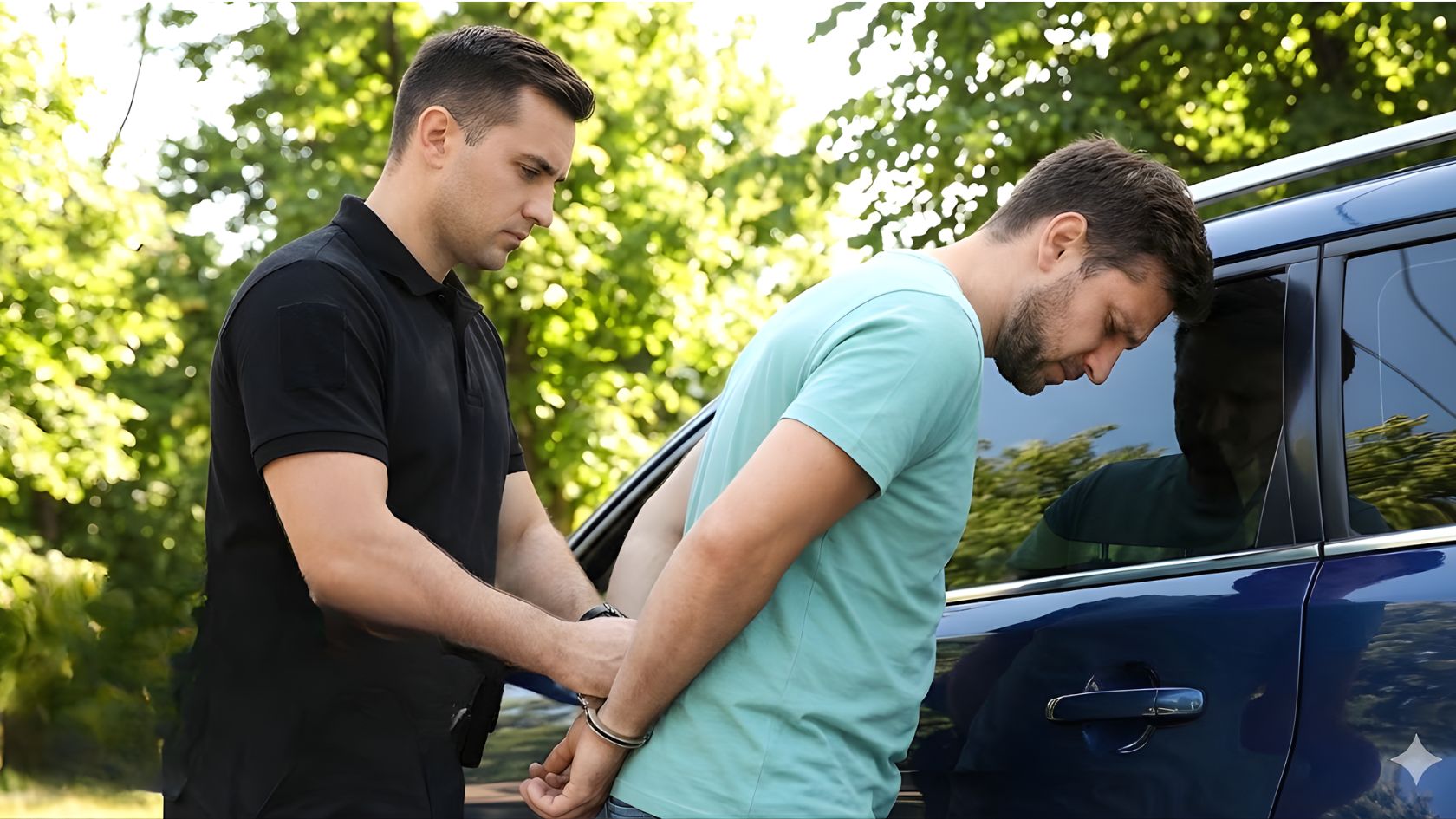
 Sexual assault arrests in Arizona follow specific procedures designed to protect both public safety and defendant rights. The arrest process begins with law enforcement taking the individual into custody based on probable cause or an arrest warrant. Understanding these initial procedures helps defendants and their families navigate this challenging time.
Initial Arrest and Transportation to Detention Facility
Law enforcement officers must inform arrestees of their rights during or shortly after arrest. The Miranda warning becomes particularly important in sexual assault cases, where any statements made could significantly impact the prosecution’s case. Defendants should exercise their right to remain silent and request qualified legal counsel immediately.
Transportation to the detention facility typically occurs within hours of arrest. During this time, officers may attempt to gather additional information or statements. It’s worth knowing that anything said during this period could be used as evidence, making immediate legal representation crucial.
Booking Process: Fingerprinting, Photographing, and Personal Property
The booking process involves several mandatory steps including fingerprinting, photographing, and recording personal information. Detention facility staff will inventory and secure personal property according to established protocols. This process might take several hours*, depending on facility capacity and case complexity.
*All timelines and legal fee ranges are provided for general information only. Actual case duration and legal costs will depend on the specific charges, case complexity, court schedules, and agreed-upon scope of representation as set forth in the written retainer agreement.
DNA samples may be collected as part of the booking process for certain felony charges. Understanding these procedures helps defendants know what to expect during their initial detention period.
Miranda Rights and Interrogation Protections in Arizona
Arizona law enforcement must inform arrestees of their Miranda rights before custodial interrogation. These rights include the right to remain silent, the right to an attorney, and the understanding that anything said can be used against them in court. Exercising these rights immediately protects defendants from potential self-incrimination.
Qualified criminal defense attorneys recommend that defendants invoke their right to counsel and decline to answer questions without legal representation present. Board Certified Criminal Law Specialists understand how law enforcement interrogation techniques work and can provide proper guidance during this critical period.
Medical Examinations and Evidence Collection Procedures
Medical examinations may be conducted as part of the evidence collection process. Defendants have certain rights regarding these procedures, and qualified legal counsel can help ensure these rights are properly protected. Understanding the scope and purpose of these examinations helps defendants make informed decisions about their cooperation.
Evidence collection procedures must follow specific legal protocols to ensure admissibility in court. Experienced defense attorneys can review these procedures to identify potential issues that might benefit the defense case. Former prosecutors bring additional insights into how evidence is typically evaluated and used during prosecution.
Understanding Arizona Sexual Assault Charges Under ARS § 13-1406
 Arizona’s sexual assault statute provides specific definitions and penalty structures that defendants must understand. ARS § 13-1406 defines sexual assault as intentionally or knowingly engaging in sexual intercourse or oral sexual contact without consent. This broad definition encompasses various situations and circumstances that could lead to charges.
Class 2 Felony Classification and Mandatory Sentencing
Sexual assault in Arizona is classified as a Class 2 felony, one of the most serious charges in the state’s criminal code. This classification carries mandatory sentencing requirements with limited judicial discretion. First-time offenders face minimum prison sentences of 5.25 years with a presumptive sentence of 7 years and a maximum of 14 years.
The mandatory nature of these sentences means defendants cannot receive probation until the entire sentence is served. This differs significantly from other felony charges where alternative sentencing options might be available. Understanding these mandatory minimums helps defendants and families prepare for potential outcomes.
Penalty Ranges: First Offense vs. Repeat Offender Consequences
Penalty ranges increase substantially for defendants with prior felony convictions. Second-time felony offenders face enhanced sentencing under Arizona’s repeat offender statutes. The presumptive sentence increases to 10.5 years, with a possible maximum of 21 years in prison.
Third-time felony offenders may face even more severe penalties under Arizona law. Third-time felony offenders face a presumptive sentence of 15.75 years in prison, with a possible maximum sentence of 28 years. These enhanced penalties underscore the importance of qualified legal representation from attorneys experienced in sex crimes defense and familiar with Arizona’s complex sentencing guidelines.
Aggravating Factors and Enhanced Penalties
Certain aggravating factors can increase penalties beyond standard sentencing ranges. These include the use of a deadly weapon, causing serious physical injury, or targeting particularly vulnerable victims. The presence of multiple aggravating factors can lead to enhanced sentences or additional charges.
Board Certified Criminal Law Specialists understand how these aggravating factors are evaluated and can develop strategies to challenge their application. Former prosecutors bring valuable insights into how these enhancements are typically pursued and what evidence is required to support them.
Related Charges: Sexual Abuse vs. Sexual Conduct with Minor
Arizona law distinguishes between sexual assault and related charges such as sexual abuse or sexual conduct with a minor. These distinctions affect potential penalties, registration requirements, and defense strategies. Understanding these differences helps defendants and their families comprehend the full scope of potential charges.
Sexual abuse charges under ARS § 13-1404 involve sexual contact without consent but without the penetration elements required for sexual assault. Sexual conduct with a minor involves different age-based considerations and penalty structures. Qualified defense attorneys can explain how these charges relate to specific fact patterns.
Bail Procedures and Release Conditions for Sexual Assault Charges
Bail procedures for sexual assault charges in Arizona involve complex considerations due to the serious nature of these felony charges. Judges must balance public safety concerns with defendants’ rights to reasonable bail. Understanding this process helps defendants and families prepare for bail hearings and potential release conditions.
Initial Appearance and Bail Hearing Process
Initial court appearances must occur within 24 hours* of arrest, excluding weekends and holidays. During this hearing, judges inform defendants of the charges against them and consider bail arguments from both prosecution and defense. This timeline moves quickly, making immediate legal representation essential.
Bail hearings in sexual assault cases often involve detailed arguments about flight risk, danger to the community, and ties to the local area. Qualified defense attorneys prepare comprehensive bail packages that address these concerns and present defendants in the most favorable light possible.
Bail Amount Determination Factors in Arizona Courts
Arizona judges consider multiple factors when setting bail amounts for sexual assault charges. These include the strength of the evidence, the defendant’s criminal history, employment status, family ties, and risk of flight. The serious nature of sexual assault charges often results in higher bail amounts compared to other felony charges.
Community ties play a particularly important role in bail determinations. Defendants with strong employment history, family connections, and community involvement may receive more favorable bail considerations. Board Certified Criminal Law Specialists understand how to present these factors effectively to the court.
Release Conditions and Pretrial Supervision Requirements
Release conditions for sexual assault defendants typically include restrictions on contact with alleged victims, geographic limitations, and reporting requirements. Some defendants may be required to wear electronic monitoring devices or participate in pretrial supervision programs.
Understanding these conditions before release helps defendants avoid violations that could result in bail revocation. Pretrial services departments monitor compliance with court-ordered conditions, and any violations could lead to immediate return to custody.
Working with Bail Bond Companies for Sexual Assault Charges
Bail bond companies provide financing options for defendants who cannot afford the full bail amount. However, sexual assault charges often involve higher bail amounts and more stringent requirements from bonding companies. Some companies may require additional collateral or co-signers for these serious charges.
Understanding the bail bond process helps families make informed decisions about securing release. Experienced criminal defense attorneys can provide guidance on working with reputable bail bond companies and understanding the financial obligations involved.
Arizona Sex Offender Registration Requirements (ARS § 13-3821)
Sex offender registration requirements in Arizona create long-term consequences that extend far beyond any criminal sentence. ARS § 13-3821 mandates registration for sexual assault convictions, with most registrations lasting for life. Understanding these requirements helps defendants and families prepare for the full scope of potential consequences.
Level 1, 2, and 3 Sex Offender Classifications
Arizona uses a three-tier classification system to categorize sex offenders based on their assessed risk of reoffending. Level 1 offenders are considered low risk, Level 2 offenders moderate risk, and Level 3 offenders high risk. This classification affects the extent of community notification and public access to offender information.
Risk assessment evaluations consider 19 different factors including criminal history, victim characteristics, relationship to victim, and behavioral patterns. The Arizona Department of Public Safety conducts these assessments using standardized criteria designed to predict recidivism risk.
Level 3 offenders face the most extensive community notification requirements, with information made available to schools, community organizations, and the general public through online databases. Understanding these classifications helps defendants anticipate the long-term implications of conviction.
Registration Timeline: 72-Hour Rule and Annual Requirements
Sex offender registration must occur within 10 days of conviction or release from custody. Additionally, offenders must register within 72 hours* when entering any Arizona county and remaining for at least 72 hours. This applies even to temporary visits or business travel.
Annual registration requirements mandate in-person appearance before the county sheriff during the offender’s birth month. Failure to comply with these timelines constitutes a separate Class 4 felony charge. The strict nature of these requirements makes compliance planning essential for anyone facing potential registration.
Community Notification and Public Database Implications
Community notification procedures vary based on offender classification levels. Level 2 and 3 offenders have their information published on public databases accessible through the Arizona Department of Public Safety’s OffenderWatch system. This includes photographs, addresses, and conviction details.
Employment and housing consequences often result from public database listings. Many employers and landlords conduct background checks that include sex offender registry searches. Understanding these collateral consequences helps defendants make informed decisions about plea negotiations and trial strategies.
Penalties for Non-Compliance with Registration Laws
Failure to register as required constitutes a Class 4 felony under Arizona law. This can result in additional prison time ranging from 1 to 3.75 years for first-time failures. Repeat failures to register can result in enhanced penalties under Arizona’s repeat offender statutes.
The Department of Public Safety actively monitors compliance and works with local law enforcement to investigate potential violations. These investigations can lead to additional charges even years after the initial conviction, making ongoing compliance crucial for registered offenders.
Court Process and What to Expect in Arizona Sexual Assault Cases
Sexual assault cases in Arizona follow established court procedures with specific timelines and requirements. Understanding these processes helps defendants and families prepare for what lies ahead while working with qualified legal counsel to navigate each stage effectively.
Arraignment and Initial Court Appearance Requirements
Initial Appearance Hearings often represent the defendant’s first formal court appearance where charges are read and release conditions are set. An Initial Appearance must occur within 24 hours if an individual is arrested. An Arraignment Hearing occurs after formal charges are filed and a grand jury finds probable cause exists. This typically occurs within 10-14 days* of arrest for in-custody defendants. During arraignment, judges also address bail conditions and schedule future court dates.
Defendants enter not guilty pleas during arraignment. This plea can be changed later as the case develops and more information becomes available.
Preliminary Hearing, Grand Jury and Discovery Process in Arizona
Preliminary hearings and Grand Jury Presentations determine whether sufficient probable cause exists to proceed with felony charges. These hearings typically occur within 10 days* of arrest for in-custody defendants. Prosecutors must present evidence demonstrating probable cause for each element of the charged offense. Preliminary hearings are rare in Arizona as virtually every felony matter proceeds through the Grand Jury process.
The discovery process allows both sides to exchange evidence and witness information. This includes police reports, physical evidence, witness statements, and expert testimony. Board Certified Criminal Law Specialists use the discovery process to identify weaknesses in the prosecution’s case and develop effective defense strategies.
Trial Preparation and Courtroom Procedures
Trial preparation involves extensive investigation, witness interviews, and evidence analysis. Qualified defense attorneys work with investigators and expert witnesses to develop comprehensive defense strategies. This preparation phase can take several months* depending on case complexity.
Arizona criminal trials follow specific procedures for jury selection, opening statements, witness testimony, and closing arguments. Former prosecutors understand these procedures from both sides and can better prepare defendants for what to expect during trial.
Sentencing Phase and Post-Conviction Options
Sentencing occurs after conviction and may involve additional hearings to determine appropriate penalties within statutory ranges. Mitigation evidence can be presented to argue for lower sentences within the allowed range. This might include character testimony, mental health evaluations, and evidence of rehabilitation efforts.
Post-conviction options include appeals and post-conviction relief motions. These procedures have strict deadlines and technical requirements that make qualified legal representation essential. Experienced defense attorneys understand these options and can advise clients on the most appropriate course of action.
Why Board Certified Criminal Law Specialists Matter
Sexual assault charges demand the highest level of legal expertise available. Board Certified Criminal Law Specialists represent the pinnacle of criminal defense qualifications in Arizona, having met rigorous standards established by the Arizona State Bar. Understanding these qualifications helps defendants make informed decisions about legal representation.
Board Certified Criminal Law Specialist: Arizona’s Highest Standard
Arizona State Bar Board Certification requires attorneys to demonstrate substantial experience in criminal law, pass comprehensive examinations, and maintain continuing education requirements. Only 54 attorneys statewide hold this certification, with just 41 in Maricopa County handling private cases. This rarity underscores the specialized expertise these attorneys possess.
The certification process evaluates trial experience, knowledge of criminal law and procedure, and peer recognition. Attorneys must handle significant numbers of serious felony cases and demonstrate expertise in complex criminal defense matters. This ensures that Board Certified specialists possess the knowledge necessary for serious charges like sexual assault.
Former Sex Crime Prosecutor Insights: Understanding the Opposition’s Strategy
Former Sex Crime prosecutors bring unique advantages to criminal defense representation. Having worked within the prosecution system, they understand how cases are evaluated, what evidence prosecutors consider strong, and how plea negotiations typically develop. This insider knowledge provides strategic advantages during case preparation and negotiations.
Former Major Felony Prosecutors and Bureau Chiefs possess additional insights into high-level prosecution strategies and decision-making processes. They understand how serious cases are prioritized and what factors influence prosecutorial decisions about charges, plea offers, and trial strategies.
50+ Years Combined Arizona Criminal Defense Experience
Decades of experience in Arizona courts provides invaluable knowledge of local procedures, judicial preferences, and effective defense strategies. Long & Simmons Law’s attorneys have handled thousands of criminal cases across all Arizona counties, developing comprehensive understanding of the state’s criminal justice system.
This experience includes representation in death penalty cases, demonstrating the firm’s capability to handle the most serious criminal charges. Death penalty qualification requires attorneys to meet the highest standards for capital case representation, providing additional assurance of competence in complex criminal matters.
Qualified Sex Crime Defense Attorney Expertise
Specialized sex crime defense requires unique knowledge and skills beyond general criminal defense practice. Qualified Sex Crime Defense Attorneys understand the sensitive nature of these cases and the specialized investigation techniques required for effective representation.
This expertise includes understanding DNA evidence, forensic examination procedures, victim interview techniques, and the psychological factors that can affect witness testimony. These cases often involve complex scientific evidence that requires specialized knowledge to challenge effectively.
Frequently Asked Questions
Arizona Legal Procedures & Penalties
What happens immediately after being arrested for sexual assault in Arizona?
Immediate booking includes fingerprinting, photographing, and recording personal information. You’ll be informed of your charges and may have Miranda rights read if questioning occurs. Initial court appearance must occur within 24 hours*, where bail will be addressed and future court dates scheduled.
What are the penalties for sexual assault under Arizona law (ARS 13-1406)?
Sexual assault is a Class 2 felony with mandatory minimum sentences of 5.25 years prison for first offenders, up to 14 years maximum. Repeat offenders face enhanced penalties. Lifetime sex offender registration is also required upon conviction.
Do you have to register as a sex offender if arrested for sexual assault?
Registration is required upon conviction, not arrest. Sexual assault convictions mandate lifetime registration under ARS § 13-3821 with ongoing compliance requirements and community notification procedures.
Attorney Qualifications & Case Strategy
How does former sex crime prosecutor experience help in sexual assault defense?
Former sex crime prosecutors understand prosecution strategies, evidence evaluation methods, and plea negotiation approaches. This insider knowledge provides strategic advantages in case preparation, identifying weaknesses in the prosecution’s case, and developing effective defense strategies.
What should I look for in a sexual assault defense attorney?
Seek Board Certified Criminal Law Specialists or those with specific sex crime defense experience. Look for attorneys with trial experience, former sex crime prosecutor background, and proven results in serious felony cases. Qualified representation requires specialized knowledge and experience.
Case Process & Timeline
What should I expect at my first court appearance for sexual assault in Arizona?
Arraignment involves formal reading of charges, not guilty plea entry, and bail consideration. Judges will schedule future court dates and address release conditions. This typically occurs within 10-14 days* of arrest and requires preparation with qualified counsel.
How long do sexual assault cases take to resolve in Arizona courts?
Most felony cases resolve within 6-18 months*, depending on complexity, evidence, and court schedules. Cases going to trial may take longer due to preparation requirements and court availability. Board Certified specialists can often expedite favorable resolutions.
Can I get bail for sexual assault charges in Arizona?
Bail is typically available for sexual assault charges, though amounts may be substantial due to the serious nature of these felonies. Judges consider flight risk, community safety, and defendant’s ties to the area when setting bail amounts and conditions.
What happens during the plea negotiation process?
Plea negotiations involve discussions between defense and prosecution about potential charge reductions or sentencing recommendations. Experienced attorneys evaluate the strength of evidence and negotiate based on case-specific factors and client goals.
How does the jury selection process work in sexual assault trials?
Jury selection involves questioning potential jurors about their ability to fairly consider the evidence. Attorneys can challenge jurors for cause as Arizona no longer uses peremptory challenges. This process is crucial in sexual assault cases due to the sensitive nature of the charges.
Sources
Arizona Legal Resources
- Arizona Revised Statute 13-1406 (Sexual Assault) – Official Arizona sexual assault statute and penalty provisions
- Arizona Revised Statute 13-3821 (Sex Offender Registration) – Sex offender registration requirements and procedures
- Arizona Revised Statute 13-3961 (Pretrial Release) – Bail and pretrial release procedures
Professional and Bar Association Sources
- Arizona State Bar – Board Certification information and attorney qualifications
- Arizona Courts – Court procedures and criminal case processing information
Court and Legal System Authorities
- Arizona Department of Public Safety Sex Offender Registry – Sex offender registration and classification procedures
- Arizona Criminal Justice Commission – Criminal justice statistics and procedural information
Legal Consultation Disclaimer
This article provides general information about Arizona criminal defense and should not be considered as specific legal advice for your case. Criminal charges, penalties, and procedures vary significantly based on individual circumstances, jurisdiction within Arizona, and specific charge details. Court schedules, case timelines, and legal processes can be affected by many factors specific to each case.
All timelines and legal fee ranges are provided for general information only. Actual case duration and legal costs will depend on the specific charges, case complexity, court schedules, and agreed-upon scope of representation as set forth in the written retainer agreement.
For confidential legal consultation and qualified representation for your specific Arizona criminal defense case, contact Long & Simmons Law. Our Board Certified Criminal Law Specialists and former prosecutors will provide personalized legal analysis based on your specific charges and circumstances. No attorney-client relationship is created by reading this article.